Trump and Kennedy’s Health Industry Deals Haven’t Been Enforced and Are at Risk of Vanishing

In the thick of his competitive reelection race in Michigan, Republican Rep. Tom Barrett joined Health and Human Services Secretary Robert F. Kennedy Jr. at a sprawling 400-acre apple orchard, farm, and winery. They touted Trump administration efforts to improve the American diet, including the removal of some artificial dyes from processed foods.

“We had a great discussion about healthy options for all Americans and taking back control of our healthcare,” Barrett said in a June Instagram post, after sampling the farm’s apple cider.

Like the focus on artificial dyes, however, many of the administration’s highest-profile health initiatives rely on voluntary agreements. The goals, such as lower drug prices and nutrition classes for doctors, have widespread appeal, cutting across party lines and economic divisions.

But the administration-industry deals lack the enforcement teeth of more traditional federal regulation. Their details are vague, and minimal oversight makes it hard to monitor progress. In some cases, the administration has claimed victories that have yet to materialize.

Republicans consider the dealmaking a winning strategy. It fits with the party’s anti-regulatory stance, they say, and enables the administration to quickly forge agreements President Donald Trump and his allies can tout as accomplishments. In the run-up to the midterm elections, some, like Barrett, hope to woo voters by trumpeting the Trump administration’s efforts to shape health policy.

The practice also raises questions. Though the deals are announced with great fanfare — often during televised events on stages, with live audiences — there’s little documentation or follow-through, creating doubts about whether the administration’s health agenda will lead to lasting change or unravel once the political attention fades.

The distinction could prove important to voters as Republicans defend their health records in November’s midterm elections.

“These deals are often not transparent, so there’s no way for the public to judge how meaningful they are,” said Larry Levitt, executive vice president for health policy at KFF, a health information nonprofit that includes KFF Health News.

Dealing With Dyes

The push to remove certain artificial dyes from food and drugs, for example, was a headline grabber. In April 2025, Kennedy strode onto an HHS stage to announce deals with food makers. He was flanked by young children and mothers holding placards reading “Make America Healthy Again.”

He and former FDA commissioner Marty Makary drew a standing ovation from an audience selected by Kennedy’s staff as they said companies had pledged to phase out all petroleum-based synthetic dyes from the nation’s food supply and medicines. They targeted nine synthetic dyes for removal.

Voters love the idea of stopping the use of such dyes. In a nationally representative March survey by Consumer Reports, 72% of adults said they were at least somewhat concerned about synthetic dyes, and two-thirds said companies should be required to phase them out.

A year after making the first announcement at HHS, Kennedy declared victory during a discussion at the Conservative Political Action Conference, an annual political event.

“We’ve gotten rid of the nine synthetic-based food dyes,” he said.

Not quite. At the initial HHS event, federal officials said companies would voluntarily stop using six specific synthetic dyes by the end of this year. (The administration has also revoked or proposed revoking authorization for two other synthetic food dyes.)

Later, the FDA on its website quietly changed the deadline to the end of 2027. So, most are still in use.

In fact, the FDA posted a list of 27 companies it said had made voluntary pledges as of December 2025 to remove six synthetic dyes from products such as Doritos and Kellogg’s Froot Loops. More than a year and a half later, seven food makers — fewer than 30% of those who bought in — had met their promised goals.

Many major food makers, such as the Coca-Cola Co. and Unilever, have made “no concrete commitments” to remove the synthetic dyes, according to Consumer Reports. In addition, no pharmaceutical companies have publicly said they have plans to remove dyes from drugs.

“It’s just all talk,” said Leslie Dach, who chairs Protect Our Care, a healthcare advocacy group that supports the Affordable Care Act. “They just govern for a day of publicity, and then it’s over. None of it happens. Yet the people don’t know because they have busy lives, so they think, ‘Just look at all these initiatives.’”

In fact, the administration loosened labeling requirements, allowing companies to say their products contain no artificial colors — as long as they don’t use petroleum-based dyes. Previously, food makers could not make that claim unless their products contained no added colors. Some food dyes made from natural ingredients can contain contaminants and may pose their own health risks, such as diabetes.

“The federal government hasn’t taken any regulatory action on food dyes, for the most part, since the beginning of this administration,” said Melanie Benesh, vice president for government affairs at the Environmental Working Group, an advocacy group.

HHS said the voluntary approach has yielded significant action, including commitments to remove synthetic dyes from products sold in schools for the 2026–27 school year.

“HHS and the FDA are moving forward with clear timelines and concrete industry commitments, with major changes expected in foods served in schools during the coming school year and across full product portfolios by the end of 2027,” HHS spokesperson Emily Hilliard said in an email.

At the same CPAC convention event, Kennedy said “the MCAT testing companies are going to put nutrition on the MCAT for the first time, so the students will actually want to do it.” MCAT refers to the Medical College Admission Test, an exam required for admission to medical schools.

Again, not quite.

The Association of American Medical Colleges administers the MCAT. Spokesperson Stuart Heiser said Kennedy misspoke and may have meant to refer to a test taken by students to be licensed as doctors.

An Insurance Deal Falls Short of Promises

Kennedy again took to the HHS stage in June 2025, this time with Centers for Medicare & Medicaid Services Administrator Mehmet Oz, to make what was billed as a game-changing announcement. Major insurers, they said, had agreed to reduce the volume of healthcare services subject to prior authorization, a practice widely used by the insurance industry that often requires patients or their medical teams to seek preapproval before undergoing treatment.

The administration said 80% of insurers pledged changes to preauthorization requirements for 80% of diseases and injuries by January 2026. The administration also promised “public dashboards” to track progress.

“It will happen very quickly,” Oz said at the event. “Necessary care will be delivered when it’s needed, in the right way.”

As of July, months past that January target date, health plans had reduced prior authorization for medical services by about 11%, according to AHIP, the insurer trade group. But no public dashboards have debuted to track the deal, and some insurers that signed the pledge last summer told KFF Health News this year that they will not implement all the promised reforms as outlined by AHIP.

Hilliard did not respond to questions about the pace of progress.

The American Medical Association, in a 2025 web-based survey, asked 1,000 practicing doctors whether they believed the voluntary pledges would make a meaningful difference. Only 1 in 3 said they believed they would.

Insurers made a similar promise in 2018, during the previous Trump administration. The next year, more than 80% of doctors said the number of prior authorization requests for drugs and medical services had been increasing, based on another AMA survey.

Meanwhile, the administration is testing an artificial intelligence-powered prior authorization system for Medicare, the federal health program for people 65 and older or with disabilities. In six states, Medicare beneficiaries must get preapproval for a few treatments that CMS considers to have little clinical benefit and to be susceptible to fraud or waste, including skin substitutes and knee arthroscopy for arthritis. The program began in January, the same deadline insurers had set for curtailing preauthorization delays.

Deals and Deregulation

The healthcare industry’s voluntary agreements appeal to voters who feel government regulation drives up costs and places unnecessary burdens on businesses, some supporters say.

“Secretary Kennedy is the antithesis of a public health industry that uses coercion over communication — and has demonstrated this by taking the time and effort to push voluntary initiatives over the typical approach of governmental mandates,” said David Mansdoerfer, a political consultant who was a political appointee at HHS in Trump’s first term.

But voluntary agreements with the health industry can prove ineffective. Former President Jimmy Carter in 1977 proposed a legislative plan to curb rising hospital costs. Hospitals fought back, and Congress rejected the proposal, instead favoring a voluntary approach desired by the industry. It ultimately failed once public attention faded.

One upside: Deals are fast. Enacting a federal regulation can take two to three years. And some health analysts say the tempo of the agreements advanced by Kennedy and Trump may help take voters’ attention off the Trump administration’s inability so far to produce a long-promised health plan.

Instead, Republicans can point to the array of accords reached with industry, including the administration’s voluntary arrangement with drugmakers to cut prices so they’re in line with lower amounts charged in peer countries. The White House calls it the “most-favored-nation” prescription drug pricing policy.

Seventeen companies, including Pfizer and AstraZeneca, announced agreements with the administration to lower prices for Medicaid enrollees and cash-paying consumers using TrumpRx, a narrow, government-run consumer platform.

Many details remain unknown, but the lower prices apply only to new drugs and existing drugs available through Medicaid. And prices at TrumpRx aren’t as low as out-of-pocket prices for most consumers with insurance. But the voluntary deals appeal to an industry that has railed against mandatory approaches drugmakers deride as harmful price controls.

“Each company makes its own decisions about how it prices medicines, and our industry is committed to working with the Trump administration to ensure Americans have access to affordable medicines,” said Chanse Jones, a spokesperson for PhRMA, a pharmaceutical industry trade group.

Policies that lead to reductions in drug prices typically worry investors because profits also can drop. But rather than seeing their stock prices fall after the agreements were announced, the drugmakers saw largely positive market reactions.

Analysts say that’s partly because the deals are narrow in scope, largely exist only in principle, and don’t apply to existing drugs used by the more than 200 million Americans with commercial or private health insurance.

The Trump administration, however, is claiming success.

“The most-favored-nation agreements on drug prices that we just did are delivering the largest drug price cuts in history,” Trump said in June at a Mack Trucks plant in Pennsylvania. “That alone should win us the midterms.”

KFF Health News is a national newsroom that produces in-depth journalism about health issues and is one of the core operating programs at KFF—an independent source of health policy research, polling, and journalism. Learn more about KFF.

This article first appeared on KFF Health News and is republished here under a Creative Commons Attribution-NonCommercial-NoDerivatives 4.0 International License.


from Health Industry Archives - KFF Health News
Related Posts:

$50B Rural Health Transformation Program Needs More Transparency, Groups Say

One year into its creation, a $50 billion federal program aimed at improving rural healthcare lacks transparency, which could make it difficult to protect against fraud, identify successful projects, and ensure the program delivers on its promise to transform the system.

Transparency “is really important to help protect the integrity of the program, ensure funds are reaching the communities they’re meant to serve,” said Maya Sandalow, director of health policy for the Bipartisan Policy Center, a nonprofit think tank.

The federal government and states are compelled by public records laws to share documents when requested. But those requests can take months to fulfill, making their release too late for meaningful oversight as states rush to spend their allotments under tight federal deadlines.

In the meantime, the Centers for Medicare & Medicaid Services — which oversees the Rural Health Transformation Program — and some states aren’t proactively sharing information about where the funding is going and how it will be used.

CMS spokesperson Timothy Foster said the agency “will publish an annual report on state progress.”

States’ individual reports to CMS are “intended to be” shared upon request, but the agency won’t be proactively publishing the individual state reports, according to a CMS document.

Foster didn’t respond to questions about whether the agency will share examples of projects that are and aren’t working or create a tracker of funding recipients, award amounts, and what organizations plan to do with their funding — ideas that health and government transparency advocates have requested.

Instead, much of the program’s transparency thus far has been up to state governments, and “the level of details that states have publicized really varies,” said Sandalow, who co-wrote a recent paper on how the federal government can strengthen the rural health program, including through transparency.

Some states are sharing information with lawmakers, holding public meetings, and explaining where organizations plan to invest their money.

Others are more secretive, with multiple states declining to release public records in response to KFF Health News’ requests. Mississippi’s governor vetoed a transparency-related bill, West Virginia holds closed-door advisory meetings, and a South Dakota official wrote that he hoped CMS would keep its application from public view.

“I just don’t believe in all this secrecy,” said Mississippi state Sen. Hob Bryan, who chairs his chamber’s public health committee. “If they’re not up to something nefarious, why do they have to do it all in secret?”

Bryan, a Democrat, said there’s bipartisan concern about the lack of transparency in his state.

Reaching Rural Patients

Congressional Republicans created the five-year Rural Health Transformation Program last summer as an eleventh-hour sweetener to President Donald Trump’s signature One Big Beautiful Bill Act. The money was intended to offset concerns about the outsize fallout anticipated in rural communities from the law, which is expected to reduce overall Medicaid spending by more than $900 billion over a decade.

Sandalow said some states may be struggling to share information since they’re busy rushing to hire staff and meet the program’s tight deadlines, including an annual report due Aug. 31.

In the meantime, a slew of media outlets, nonprofits, and businesses are stepping in to make it easier for the public to track the rural health program.

KFF Health News is collecting states’ applications and approved plans and budgets, not all of which have been posted on state websites.

And several health nonprofits and companies have created trackers that describe states’ rural health initiatives, post funding opportunities, or list award recipients. But some resources are available only through paid services, aimed at helping businesses interested in applying for money.

Sandalow said previous federal programs “tend to draw attention for gaps in transparency and oversight rather than for doing it well.”

As an example, she pointed to the lack of oversight and transparency with the CARES Act and other covid relief programs, which saw fraud and improper payments.

In March, CMS published proposed quarterly and annual state reporting requirements for the rural health program, and a notice seeking comments. At least three groups replied with letters expressing concerns about transparency.

CMS should share states’ progress reports, funding recipients, and what organizations plan to do with their awards, wrote Zachary Gaumer, the Bipartisan Policy Center’s vice president for health policy.

Sharing this information would make it easier to track progress, identify successful programs that other states may want to replicate, and “ensure funds reach the rural communities they are intended to serve,” he wrote.

Molly Smith, group vice president for public policy at the American Hospital Association, asked CMS “to be as detailed as possible” about the “final destinations of these funds, given the complexity of the grant funding process.”

In her letter, Charlene MacDonald, who leads the Federation of American Hospitals, noted that some funding recipients, such as large health systems and academic medical centers, will be distributing their awards to other entities.

CMS should collect those “downstream subrecipients,” wrote MacDonald, whose group represents for-profit hospitals and healthcare systems.

Without this information, she said, it will be difficult to know if “funding is reaching the rural hospitals, providers, and communities primarily intended to benefit from the program.”

It can also be difficult to know which for-profit companies are being paid with rural health money.

For example, Nevada and Kansas have listed hospitals and other health facilities that received funding to purchase telehealth, scanning devices, and other health technology. But the states list only some of the companies from which recipients will buy those products.

States won’t have to report “downstream” funding in their August reports to CMS but will have to do so for all future reports, according to the agency’s recently finalized reporting requirements.

The CMS documents say states must list subrecipients that receive subawards as well as vendors or contractors paid by an organization using rural health funding. Although states must report how much money these downstream recipients receive, they don’t have to describe which specific services or products the recipient is providing.

DIY Dashboards

As groups ask CMS to share more information, some states have created their own rural health spending dashboards or recipient lists, with varying levels of detail.

Alaska, Kansas, Oklahoma, and other states list which organizations receive funding, their award amounts, and detailed descriptions of how recipients will spend the money.

Florida and Nebraska, however, are among the states that don’t share what awardees plan to do with their funding.

New Hampshire is posting recipient contracts that detail projects and their budgets on its Rural Health Transformation Program website. Some other states have uploaded contracts and grants on general procurement or award databases, which can be difficult to navigate.

Ohio, Virginia, and New Jersey have used press releases to announce awards. But the announcements aren’t posted on their Rural Health Transformation Program websites, which could make it difficult to find this information.

Many states created advisory groups to provide transparency and accountability for their programs. Most committees host public meetings and upload minutes, recordings, or other materials from the discussions.

But the West Virginia Department of Health won’t share what’s discussed in its rural health advisory panel’s closed-door meetings, according to spokesperson Gailyn Markham.

“The panel is intended to serve as an informal forum for discussion and feedback among invited participants and program staff,” Markham said.

South Dakota, North Dakota, and Mississippi are among the states without advisory committees.

In response to public records requests, South Dakota released a nearly completely redacted version of its budget for the rural health program while Mississippi declined to release its budget.

Mississippi’s governor said he vetoed a transparency-related bill because it would “create an unnecessary layer of bureaucracy” that would have slowed the award process, which could cause the state to lose out on future funds. Mississippi is “an incredible outlier in all this secrecy,” Bryan, the state lawmaker, told KFF Health News.

Sandalow said it’s important for states to publish the impact of their rural health projects, adding that CMS should share which rural health projects are and aren’t working.

She said national and state health organizations are creating networks and holding conferences to help spread this information. States should “be able to learn from each other, get a sense of lessons learned and best practices, and then be able to pivot their initiatives accordingly,” Sandalow said.

Michael Cannon, who oversees health policy studies at the libertarian Cato Institute, said people should know how their $50 billion in taxes is being spent on the rural health program, and whether state projects are making rural patients healthier.

If investors put that much money into a project, there is “no way” they “would let the recipients of those funds get away with the shoddy approach to transparency and accountability that the states are taking,” he said.

KFF Health News is a national newsroom that produces in-depth journalism about health issues and is one of the core operating programs at KFF—an independent source of health policy research, polling, and journalism. Learn more about KFF.

This article first appeared on KFF Health News and is republished here under a Creative Commons Attribution-NonCommercial-NoDerivatives 4.0 International License.


from Health Industry Archives - KFF Health News
Related Posts:

California Weighs Penalties for Healthcare Providers That Don’t Rein In Costs

California is weighing stiff penalties for hospitals and other healthcare entities that don’t stay under state spending limits, potentially levying hundreds of millions of dollars in fines if these providers don’t take steps to rein in rising healthcare costs.

If the state Office of Health Care Affordability adopts the fines next week, hospitals, medical groups, insurers, and others could face penalties that amount to as much as 125% of the total they spend above the state’s annual growth targets.

The penalty proposal comes after healthcare entities in California were asked to limit growth by 3.5% last year and ramp down to 3% by 2029. Seven hospitals that state officials consider particularly expensive face even smaller growth targets: 1.8% in 2026, dropping to 1.6% by 2029.

Consumer advocates argue that state financial deterrents are critical to bring relief to millions of Californians struggling with high insurance premiums and out-of-pocket expenses. Hospitals accounted for 40% of the increase in U.S. health spending from 2022 to 2024, compared with 11% from retail prescription drugs. But adding teeth to those targets sets up a fight with the powerful hospital industry, which has a pending lawsuit challenging the spending limits as unreasonable. Hospitals warned that they will cut back on vital services, including in emergency rooms, obstetrics, and behavioral health.

Healthcare industry representatives said the state affordability office hasn’t accounted for year-to-year volatility or other factors beyond the industry’s control, such as rising minimum wages, state earthquake retrofit requirements, and expensive new drugs.

“They’re building the plane while flying it,” said Ben Johnson, group vice president for financial policy at the California Hospital Association. “We know improvements in affordability are needed, but we have serious questions about how and about what the unintended consequences could be under OHCA’s rather stringent approaches.”

When calculating penalties, California regulators would consider various factors, including a healthcare entity’s financial situation, its market impact, and the gravity and number of offenses, according to a board presentation in June. And entities would first be given opportunities to implement performance improvement plans to bring their spending into line before penalties are imposed. For those that don’t comply, the board is considering penalties of $10,000 a day or a flat $500,000.

The penalties, which the affordability office’s eight-member board is required by state law to adopt, are slated for discussion, and a potential vote, at the board’s Aug. 26 meeting. The soonest healthcare providers would be subject to penalties is 2028, because it’s expected it will take two years to collect and publicly report spending data to measure against the 2026 targets. The state is still collecting data on how entities performed against the 2025 targets, which aren’t enforceable, according to Andrew DiLuccia, a spokesperson for the California Department of Health Care Access and Information.

States Set Targets

California is one of at least eight states that have set spending targets as part of an expanding effort to curb soaring healthcare spending across the nation. Connecticut, Massachusetts, Oregon, and Rhode Island have also authorized the use of some type of financial penalty. The specifics of each vary widely, although so far no state has applied them.

A survey last year by the California Health Care Foundation found that 4 out of 10 state residents said they had medical debt, and 6 in 10 reported that they or a family member had skipped or delayed medical care in the previous 12 months because of cost. Nationwide, about half of adults say it is difficult to afford healthcare costs.

After Rosalyn Book got stiches on her chin, the elementary school teacher received a $15,000 ER bill from a local hospital, despite having insurance. Many teachers in her district leave because they can’t afford the cost of healthcare and insurance premiums, she said.

“The healthcare charges are just insanity, and what we get as patients for the care, it’s not the best either,” said Book, president of the Monterey Bay Teachers Association. “If you’re a working, regular individual in terms of how much you make, the cost of living and especially the healthcare is just not doable.”

Meanwhile, hospitals are warning there’s a risk of more closures. According to Yale University’s Health Care Affordability Lab, 17 hospitals have closed in the state since 2016, compared with only six openings.

Hospitals and other healthcare providers have said the proposed multimillion-dollar penalties are too steep and could destabilize their operations at a time when they’re facing funding challenges, including massive federal cuts to Medicaid, the end of enhanced federal subsidies for Affordable Care Act plans, and a sharp rise in uninsured patients. The One Big Beautiful Bill Act, passed by congressional Republicans and signed by President Donald Trump last summer, is expected to reduce federal Medicaid spending by more than $900 billion — including by $30 billion in California — and increase the rolls of the uninsured in the U.S. by 10 million people over a decade.

Johnson said hospitals raise prices on commercial payers to offset the expense of treating uninsured patients, as well as patients on Medicaid and Medicare, which can reimburse care providers at rates that fall short of treatment costs.

In addition, said Anete Millers, vice president of legal and regulatory affairs at the California Association of Health Plans, tax increases on managed-care plans recently approved by state legislators to offset federal Medicaid cuts will force plans to increase their prices for consumers.

“Some spending pressures originate outside of the control of health plans and are the result of public policy decisions rather than underlying changes in healthcare utilization or efficiency,” she told the affordability office’s board at the June meeting.

Kristof Stremikis, the director of market analysis and insight at the nonprofit California Health Care Foundation, acknowledged that external forces can drive costs but said that plenty of unnecessary spending is within the healthcare system’s control, such as administrative waste and duplicative tests and procedures. Almost 25% of U.S. healthcare spending is considered wasteful, according to research published in JAMA.

Elizabeth Mitchell, a former Office of Health Care Affordability board member whose term ended in May, agreed.

“Every business has external challenges,” she said. “The hospital industry has not taken accountability to actually manage costs. I have heard those excuses for decades, and at some point, they have to make changes.”

First Step To Bring Down Costs

An analysis of five states with cost growth benchmarks, published in June, found that some have succeeded in modestly slowing healthcare spending, particularly those with enforcement mechanisms. However, spending growth in most states has still exceeded the targets set. 

Jeremy Vandehey, a consultant with the Peterson-Milbank Program for Sustainable Health Care Costs, said setting benchmarks and collecting data to analyze which entities meet them is only a first step. Armed with information about what and who is driving up costs, states are more empowered to take additional action, such as imposing penalties or regulating prices, to bring down costs, he said.

“I don’t think anybody in any state is declaring victory on healthcare costs, but I wouldn’t say that that means the programs are a failure,” Vandehey said. “In all of these states, there’s much more robust conversations happening about, OK, we haven’t solved our cost crisis, so we need additional action.”

KFF Health News is a national newsroom that produces in-depth journalism about health issues and is one of the core operating programs at KFF—an independent source of health policy research, polling, and journalism. Learn more about KFF.

This article first appeared on KFF Health News and is republished here under a Creative Commons Attribution-NonCommercial-NoDerivatives 4.0 International License.


from Health Industry Archives - KFF Health News
Related Posts:

How Louisiana’s New Surgeon General Wants To Transform Public Health

Evelyn Griffin had led a life out of the spotlight until she testified at the Louisiana Statehouse five years ago and experienced what she called her “great awakening.”

The state health department wanted to add covid vaccines to the school immunization schedule, a move no state has ever implemented. Robert F. Kennedy Jr., then known as a leading vaccine skeptic, had already claimed the covid shot was “the deadliest vaccine ever made” during a poster board presentation at the legislative hearing.

Griffin, a longtime OB-GYN, relied on nearly identical images during her own blistering testimony against the proposal. After the hearing, she expected splashy headlines about Kennedy’s assertions, shifting the public debate over covid policies and vaccines. But that did not happen; one news outlet dismissed him as a promulgator of propaganda. Griffin was shocked.

That is “when I saw how the world worked,” she recalled in a podcast interview. Griffin said she and her husband, a vascular surgeon, decided to take action and “shine light on things.”

Now, Kennedy is the nation’s health secretary, and Griffin holds prominent roles that position her to help carry out his vision.

Last September, Kennedy appointed her to ACIP, the advisory panel for federal immunization policy, where she voted to recommend limiting access to covid vaccines and ending universal newborn immunizations for hepatitis B, steps that a federal judge has blocked. In December, Gov. Jeff Landry of Louisiana, a conservative Republican and an ally of President Donald Trump’s, named Griffin as the state’s surgeon general.

That makes her the top public health physician in Louisiana, which has the worst health outcomes among states.

She is an unconventional choice. Griffin has no background or specialty training in infectious diseases or public health. She is aligned with alternative health movements — including Make America Healthy Again, or MAHA — and has hosted some speakers promoting fringe medical views.

Griffin declined interview requests for this article. “My vision as Louisiana’s surgeon general is to help shift our healthcare system toward preventing disease, not just managing or treating it,” she said in a statement.

Eight months into her tenure, she has yet to make major changes at the health department. She has faced hurdles in her efforts to tighten access to vaccines and limit public health powers, testifying on several bills that legislators rejected.

Still, Griffin’s political rise reflects the gains of Kennedy’s vaccine agenda at the state level, a vital testing ground for laws aimed at eroding government mandates. State officials have enormous power to set health policy and beat back infectious disease outbreaks. While Griffin’s post is largely a bully pulpit, she could spur real change by advising the governor, state health secretary, and lawmakers.

Some public health and infectious disease experts warned that if Griffin eventually succeeded in curtailing the state’s authority, illnesses and deaths could escalate and Louisiana could be hamstrung in a future pandemic. At one vaccine panel meeting last year, she said it was “unclear” whether vaccines were linked to autism, as Kennedy has suggested. When asked by The New York Times, she declined to say whether she believed any vaccines should be mandated for schoolchildren.

“Someone who has expressed the views she has, who’s now in a public policy position, is very dangerous,” said Georges Benjamin, the chief executive of the American Public Health Association.

But Kirk Milhoan, a pastor and pediatric cardiologist who serves as chair of the federal vaccine panel, defended Griffin as an “excellent choice” for surgeon general. “No one should be afraid of Dr. Evelyn Griffin having the heart’s desire to take care of the population of Louisiana,” he said in an interview.

While Griffin is on a learning curve as a political novice, she has signaled big ambitions.

She called for “dramatic transformational change” during a public meeting in January, promising to focus on women’s health, rural health, and the root causes of disease. An accompanying slide presentation said Louisiana would lead through “family, faith, and fearlessness.”

Griffin, 49, often cites her family background in explaining her trajectory.

She was born Ewelina Bulczynski under Communist rule in Poland in 1976. When she was 5, her family defected to a refugee camp in Austria before immigrating to Canada. She and her two brothers later came to the United States to practice as physicians. She has credited this history with giving her a “different perspective” as a doctor and influencing her skepticism of government mandates.

“My parents escaped Communist Poland so that we could come here for the freedoms, such as medical freedom, that this country has,” she told Louisiana lawmakers in 2022.

Griffin is seen with her husband at an event.
Evelyn Griffin, Louisiana’s surgeon general, and her husband, Joseph Griffin, attend a wellness event sponsored by the Northshore Alternative Health Alliance in Mandeville, Louisiana, in June. (Christiana Botic for The New York Times)

She met her husband, Joseph Griffin, while they attended Ross University School of Medicine, then located in Dominica. After residency programs in New Orleans, they settled in Baton Rouge and raised two children.

People who have known Griffin during her 20-year career delivering babies and treating women described her as a kind, caring, and smart physician. “Patients loved her,” said Francis Dauterive, who worked with her.

In the years before the pandemic, Griffin had noticed a rise in chronic health problems among her patients. She began studying how nutrition and lifestyle choices could treat and prevent illness, and pursued online training in functional medicine. She started an Instagram account filled with images of jackfruit sloppy Joes and vegan jambalaya, her dog lounging on a yoga mat, and her backyard strawberry plants.

She also learned of Barbara O’Neill, a Christian wellness figure popular on social media. O’Neill was barred in 2019 from giving medical advice in Australia after claiming that cancer was caused by a fungus and could be treated with baking soda, and that vaccines caused “an epidemic of ADHD, autism, epilepsy and cot death.” In a 2025 podcast, Griffin called O’Neill a “sage” teacher who was ostracized for focusing on lifestyle solutions to medical issues. She said she kept O’Neill’s advice for a healthy life — including exercise, sunshine, and trust in God — posted on her fridge.

But it was the pandemic that transformed her career. In speeches and interviews, she said she began to question public health guidance and that of her former employer, Ochsner Health, Louisiana’s largest health system, on masking, vaccines, and mandates.

Griffin wanted to share research with colleagues that wasn’t “mainstream” science, as she put it, studies she said were from contacts in Europe on early covid treatments. Griffin was repeatedly rebuffed, she said.

Eventually, she resigned. “I’m going to stick to my principles,” she later recalled thinking. She now works at the Baton Rouge General health system. Ochsner officials declined to comment.

Louisiana had been hit hard by the pandemic. By December 2021, more than 14,000 people had died from covid. That summer, the Delta surge had killed six pregnant women there over two months, and maternal health organizations were urging vaccination.

But in her testimony to lawmakers that December, Griffin had questioned the vaccine’s safety after health officials had reported rare adverse reactions. She invoked a public health catastrophe: The drug thalidomide, prescribed during pregnancy in Europe (and tested in the United States) in the 1950s, had left thousands of babies with missing or malformed limbs. She also reminded lawmakers of the Nuremberg trials, where Nazi collaborators had been sentenced to death for medical experimentation.

“So everyone has to be on notice when making these types of decisions,” Griffin said, looking at the politicians. The state later dropped plans to require covid vaccines for students.

Griffin and her husband have since embedded themselves in Louisiana’s right-leaning alternative health communities. They have espoused views that, amid the swirl of social-media-fueled wellness trends, pandemic backlash, and widespread dismay over Americans’ poor health, have become ascendant in the second Trump presidency.

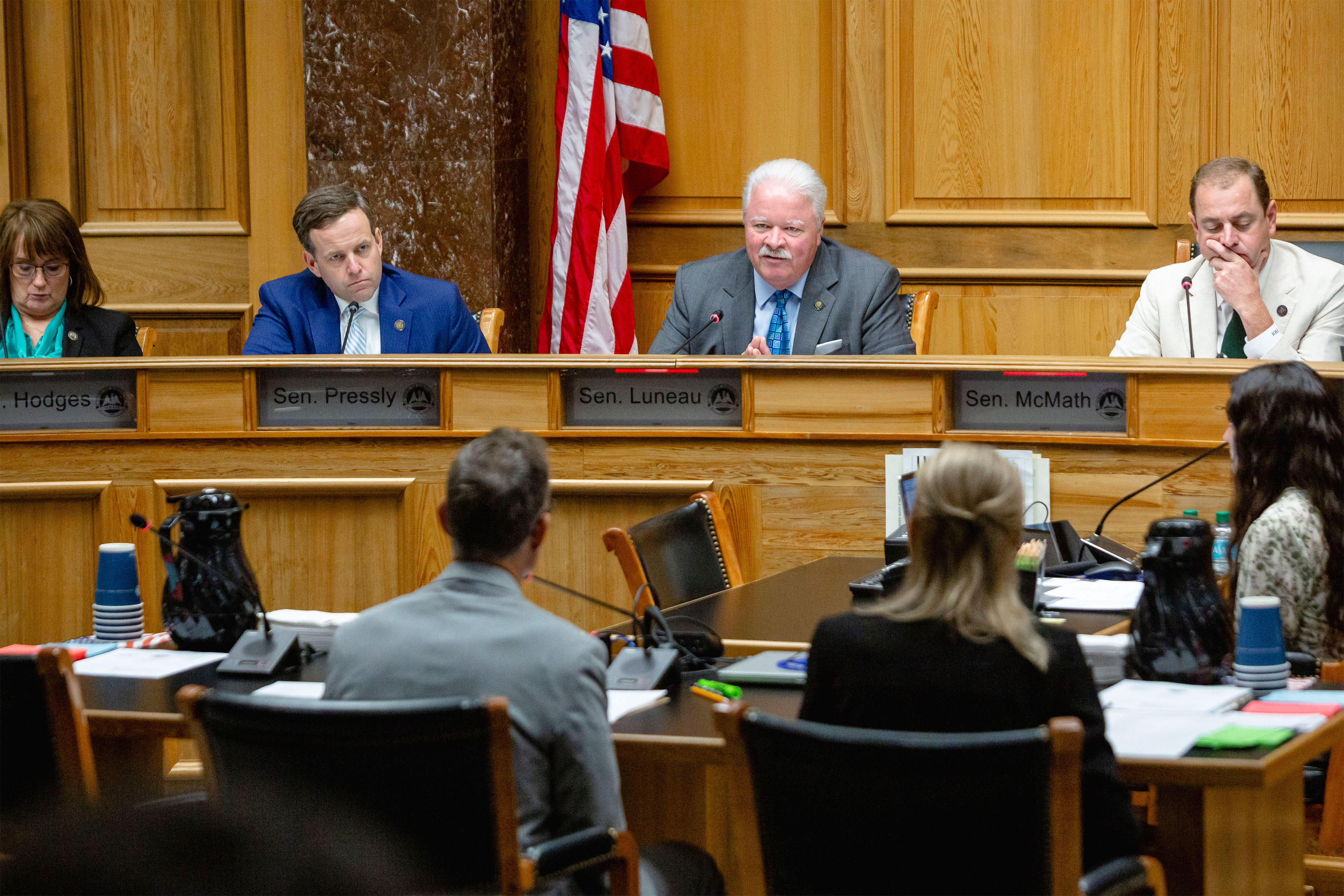
A photo of a Louisiana Senate hearing. Louisiana Sen. Jay Luneau is speaking.
Jay Luneau (top center), a Democrat in Louisiana’s Senate, questions Griffin in May about a bill to prohibit businesses and schools from mandating new vaccines or other medical interventions. (Christiana Botic for The New York Times)

Griffin returned to the state Capitol over the next three years to testify for favored causes, including bills supported by Health Freedom Louisiana, a group aligned with Kennedy. One would have expanded access to ivermectin, an antiparasitic drug popular among vaccine skeptics, though numerous studies have shown it is ineffective in treating covid, and another would have banned future government health mandates, which Griffin has called “a slippery slope.” Neither got out of committee. She also testified in support of a ban on gender-transition treatments for minors, which became law.

After the U.S. Supreme Court overturned Roe v. Wade in 2022 and Louisiana’s near-total abortion ban took effect, Griffin became an ally of Louisiana Right to Life, the state’s leading anti-abortion group. She recorded videos arguing that the law did not impede pregnancy care. The ban was later found to delay miscarriage treatment and lead to unnecessary cesarean sections, according to doctors and reproductive rights groups.

Griffin and her husband struck up a friendship with Tony Spell, the pastor of Life Tabernacle Church in Baton Rouge, sometimes joining him for Bible study. Pastor Spell refused to shut his evangelical church during the pandemic, leading to criminal charges that were overturned by the Louisiana Supreme Court. Griffin called him “an absolute hero.”

A photo of Benjamin Clapper speak to Evelyn Griffin as they walk into the Louisiana Capitol.
Benjamin Clapper, executive director of Louisiana Right to Life (center left), speaks to Griffin at the Louisiana Capitol in May. (Christiana Botic for The New York Times)
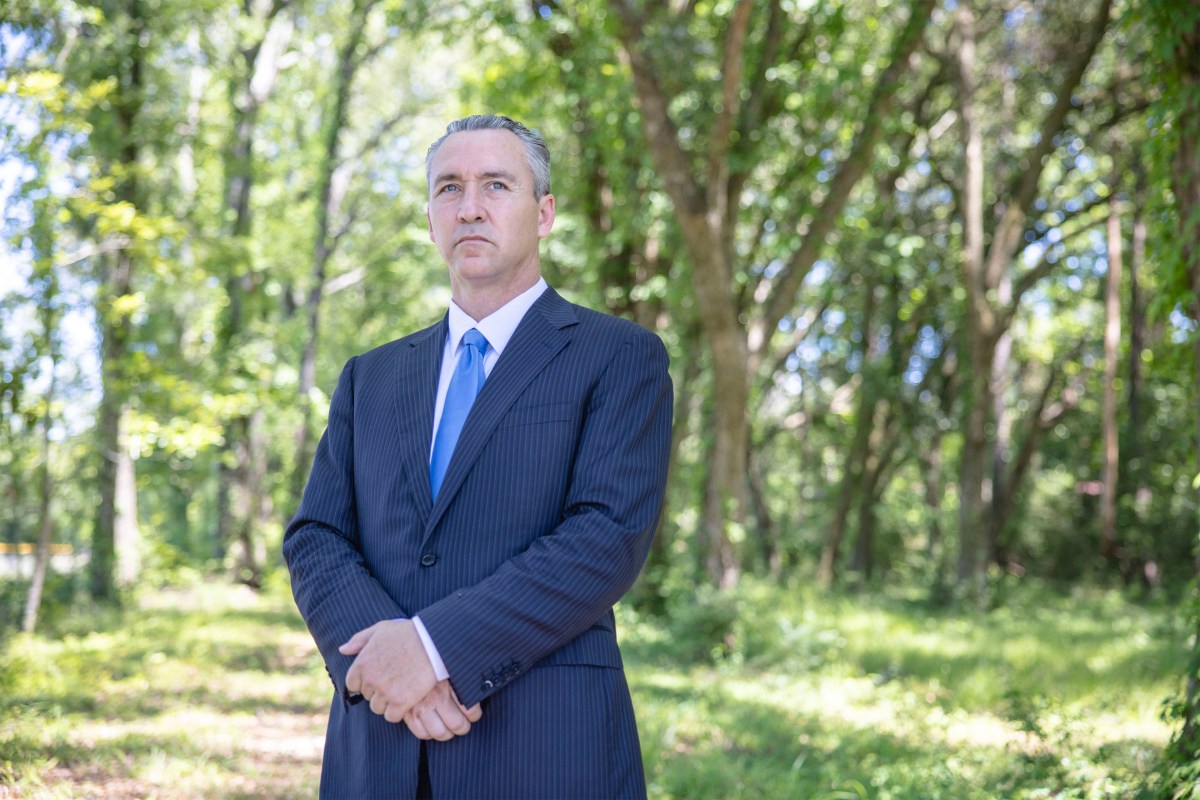
A man in a suit stands for a portrait outside. A woodsy background is behind him.
Tony Spell, the pastor at Life Tabernacle Church in Baton Rouge, is friends with Griffin and her husband. (Christiana Botic for The New York Times)

She has spoken at annual health freedom gatherings on the church’s sprawling grounds and launched her own wellness events there two years ago. Guests have talked about backyard gardening, naturopathic medicine, the benefits of doulas and raw milk — a passion of Kennedy’s — which recently sickened nearly a dozen Louisiana residents.

One speaker, an OB-GYN, said contraception encouraged abortion. Another, an ophthalmologist, questioned the safety of wireless technology, as has Griffin. Quoting O’Neill, the Australian wellness figure, Griffin warned the crowd to “stay away from sunscreen,” adding there were “lots and lots of chemicals” in it.

Spirituality is “the foundation for health,” she said during the event in 2025, and some of her speakers have presented faith in Jesus as essential to being healthy. At the 2024 gathering, Sean Troxclair, an internist who is now her deputy, said that when he was “injured” by a vaccine, “I got with Jesus.” He added, “If you’re not with him, no matter what you do, you’re not going to get better.”

In written comments to the Times, Griffin said that faith was not a prerequisite for good health, and that she “may not share every perspective presented” by her speakers.

Griffin’s appointment is among Gov. Landry’s wider efforts to move Louisiana, already a deeply red state, further to the right. He has supported a crackdown on doctors who mail abortion pills to Louisiana patients and a lawsuit against the Food and Drug Administration to stop the practice nationwide. The U.S. Supreme Court said the pills could still be sent by mail while the FDA case continues in the lower courts.

The governor’s first appointee as surgeon general, Ralph Abraham, another supporter of Kennedy’s, blocked his staff from promoting any vaccines amid an outbreak of whooping cough that killed two babies.

Griffin has begun her tenure more quietly, seeking ties with the state’s medical community while trying to find her place in a health department hierarchy where the secretary still wields much of the power.

A photo of Evelyn Griffin walking outside at an event.
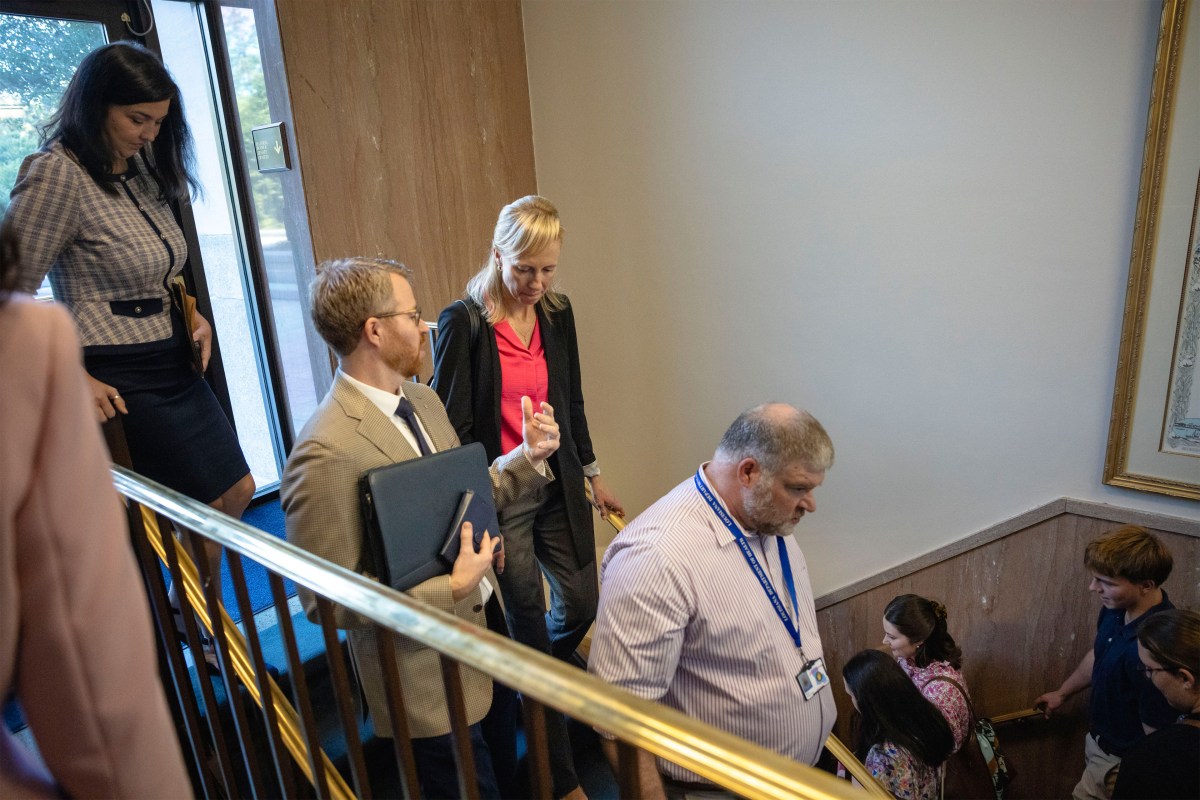
Griffin and her deputy, Sean Troxclair (right), attend a women’s wellness event at the Louisiana Capitol in May. (Christiana Botic for The New York Times)

For her staff, she’s recruited figures from wellness and vaccine-skeptical circles, including Troxclair and Kathleen Willis, an internist who has questioned the safety of the childhood vaccine schedule, as has Trump.

A surprising presence in the department is Griffin’s husband, whom she’s called “like-minded.” Though he is not employed by the agency, he has joined her appointments with state and federal officials and participated in department meetings, sometimes providing feedback or asking questions, according to two people present at the sessions. Griffin has also placed him on a Medicaid advisory subcommittee. Griffin said in a statement that he was “not involved in formal decision-making.”

Bruce Greenstein, the state health secretary, introduced the couple during a public meeting in January, saying, “We basically get two doctors for the price of one.” In May, Griffin’s husband joined the governor on a contentious trip to Greenland, which Trump has periodically threatened to control.

Griffin’s beliefs represent a shift away from public health policies that prioritize the protection of the wider community in favor of ones that prioritize individual choice. Like Kennedy, she has said this is necessary to restore faith in public health systems battered by the anger over pandemic restrictions.

Such a reframing of the government’s role would upend long-standing public health principles and risk harming society’s most vulnerable, said Paul Offit, director of the Vaccine Education Center at the Children’s Hospital of Philadelphia.

“Are we in no way responsible for people who we are going to sit next to on a bus or get into a crowded elevator?” he asked. “Do we have no sense of responsibility to other members of society?”

Florida’s former health secretary and surgeon general, Scott Rivkees, whose successor tried to roll back vaccine mandates, said rising vaccine skepticism was already contributing to outbreaks of measles and whooping cough. “This is something that our country will regret as we start seeing our sons, daughters, neighbors, friends, cousins, pay the price,” he said in an interview.

Even though Griffin has allied herself with some lawmakers in the Republican-controlled legislature, she testified on three bills this year that failed to proceed. One would have created new informed-consent requirements for vaccines — including banning mothers from agreeing to vaccines for 12 hours after giving birth, when Griffin said hormones and other factors could impede their thinking.

Another would have significantly limited the government’s ability to require vaccines, testing, or masks in a future outbreak, mandates that Griffin testified infringed on individual rights and were discriminatory. A third bill, her own proposal, would have given her office sweeping access to all medical records in the state, which are now protected by medical privacy laws.

Gov. Landry did not publicly push for the measures, a sign that they may not be priorities for his administration. A majority of Louisiana voters support school vaccine mandates, according to polls by Louisiana Families for Vaccines and the Center for Individual Freedom. Most proposals to weaken vaccine laws also failed in other states this year.

Since her appointment, Griffin has traveled the state to meet with residents. In June, she and her husband wandered through a wellness event, sponsored by the Northshore Alternative Health Alliance, in Mandeville. She had been invited to give the keynote address by Abigail Licatino, a member of Health Freedom Louisiana who has said that vaccines cause “most” autism.

Booths featured local farmers, reiki practitioners, functional medicine doctors, chiropractors, spiritual healers, and purveyors of peptides, supplements, and IV treatments. The event represented some of the “holistic approaches” Griffin said she planned to highlight as surgeon general.

In speeches before her appointment, Griffin had offered a far-reaching vision. While conventional medicine would still play an indispensable role, she said, the current health system was failing Americans and would “collapse.” The health freedom and wellness movements would help show “the path forward.”


The New York Times’ Kitty Bennett, Sheelagh McNeill, and Kirsten Noyes contributed research for this article.


KFF Health News is a national newsroom that produces in-depth journalism about health issues and is one of the core operating programs at KFF—an independent source of health policy research, polling, and journalism. Learn more about KFF.

This article first appeared on KFF Health News and is republished here under a Creative Commons Attribution-NonCommercial-NoDerivatives 4.0 International License.


from Health Industry Archives - KFF Health News
Related Posts:

Headless FDA Gets a New Nominee

The Host

Julie Rovner photo
Julie Rovner KFF Health News @jrovner @julierovner.bsky.social Read Julie's stories. Julie Rovner is chief Washington correspondent and host of KFF Health News’ weekly health policy news podcast, "What the Health?" A noted expert on health policy issues, Julie is the author of the critically praised reference book "Health Care Politics and Policy A to Z," now in its third edition.

Heidi Overton, a physician and White House domestic policy adviser, is President Donald Trump’s choice to be the next head of the Food and Drug Administration. Overton, an abortion opponent and supporter of Trump’s proposed changes to the childhood vaccine schedule, has made enemies while working on health policy from the White House and could face some tough questioning from senators.

Meanwhile, prescription drug prices are dropping for some people, and the wholesale retailer Costco is entering the Medicare market. Still, overall, the problem of healthcare being too expensive remains stubbornly hard to solve.

This week’s panelists are Julie Rovner of KFF Health News, Joanne Kenen of the Johns Hopkins Bloomberg School of Public Health and Politico Magazine, Shefali Luthra of The 19th, and Alice Miranda Ollstein of Politico.

Panelists

Among the takeaways from this week’s episode:

  • Trump’s selection of Overton to lead the FDA is prompting concerns from a diverse crowd of skeptics that includes Sen. Bill Cassidy (R-La.) and adherents to the Make America Healthy Again movement. Her lack of managerial experience and history of controversial writings could be liabilities during the confirmation process, though Trump has a decent track record of clearing nominees through a hesitant Senate.
  • Grant money continues to be held up at the National Institutes of Health pending political reviews, and new reporting sheds light on “zombie programs” at the Centers for Disease Control and Prevention, where money has been appropriated but there’s no staff to use it. Plus, the trend of declining childhood immunizations continues, with vaccine exemptions for kindergartners jumping to another high.
  • New data shows the largest drop in prescription drug prices since the 1960s, and while the Trump administration is taking credit, it’s unclear what exactly caused it. Meanwhile, the federal government is investigating major health companies for allegedly dodging taxes or engaging in anticompetitive practices. And the wholesaler Costco is getting into the health insurance game, partnering with a nonprofit insurer to provide Medicare Advantage or Medigap plans in a few states.

Also this week, as part of the “How Would You Fix It?” series, Rovner interviews billionaire businessman Mark Cuban, who has already reshaped the generic drug market and now has his eye on the rest of the healthcare system.

Plus, for “extra credit” the panelists suggest health policy stories they read this week that they think you should read, too: 

Julie Rovner: Mother Jones’ “The Orwellian Company Behind ICE’s New Electric Shock Gloves,” by Sophie Hurwitz.

Shefali Luthra: The 19th’s “Tik Tok’s Fake GLP-1 Market Preys on Women Trying To Lose Weight,” by Barbara Rodriguez.

Alice Miranda Ollstein: The Texas Observer’s “Texas Maternal Mortality Committee’s Next Report Will Skip Post-‘Roe’ Deaths. Lawmakers Suspect Political Influence,” by Mary Tuma.

Joanne Kenen: Politico’s “AI Slop Is Swamping a House Office That Drafts US Laws,” by Owen Dahlkamp.

Also mentioned in this week’s podcast:

Credits

Zach Dyer Audio producer
Taylor Cook Audio producer
Emmarie Huetteman Editor

Click here to find all our podcasts.

And subscribe to “What the Health? From KFF Health News” on Apple Podcasts, Spotify, the NPR app, YouTube, Pocket Casts, or wherever you listen to podcasts.

KFF Health News is a national newsroom that produces in-depth journalism about health issues and is one of the core operating programs at KFF—an independent source of health policy research, polling, and journalism. Learn more about KFF.

This article first appeared on KFF Health News and is republished here under a Creative Commons Attribution-NonCommercial-NoDerivatives 4.0 International License.


from Health Industry Archives - KFF Health News

Related Posts:

Violence Against Healthcare Workers and Staffing Shortages Fuel Hospital Strikes

Nurse Crystal Dhooghe is used to dealing with blood and broken bones in the emergency room. But she didn’t expect to witness so much violence against her own colleagues.

“I’ve seen nurses get shoved, pushed, scratched. The biggest one is bitten,” said Dhooghe, who works at Henry Ford Genesys Hospital in Grand Blanc, Michigan.

The prevalence of workplace violence in healthcare has fueled strikes in states such as Louisiana, New York, Pennsylvania, Rhode Island, and Michigan, where Dhooghe and many of her co-workers have been on the picket line since Labor Day last year.

“People will question me and be like, ‘Why are you still working in a place if you’re treated like this?’” said Dhooghe, who gets by on strike benefits and working extra shifts at another hospital. The problem, she said, is that other hospitals aren’t any better. “It’s the same everywhere I go.”

In a statement, Henry Ford Health spokesperson Dana Jay acknowledged violence against healthcare workers is a “national epidemic” and said the health system’s efforts to address the problem include metal detectors, armed security officers trained to make “misdemeanor arrests,” and de-escalation training.

“We have zero tolerance for violence of any kind,” said Jay, asserting the strike is not about safety but is instead “simply an economic strike.”

Nationwide, hospital workers are seven times as likely to be injured on the job due to violent acts as members of the general working population, according to the most recent data available from the Bureau of Labor Statistics. The outcry over workplace violence in healthcare is pitting workers’ demands for better compensation and staffing against hospital operators pressured to cut costs.

‘A Powder Keg’

Violent outbursts are so common that they’ve been dramatized on the popular medical TV series The Pitt. “Emergency rooms right now are like a powder keg,” said Rachel Odes, an assistant professor at the University of Wisconsin-Madison School of Nursing.

In hospitals, a combative or violent patient is known as a “code gray.” Outbursts can be spontaneous and unpredictable, making some almost impossible to prevent. But research shows the risk of violence increases when hospitals are understaffed or employees are insufficiently trained or experienced.

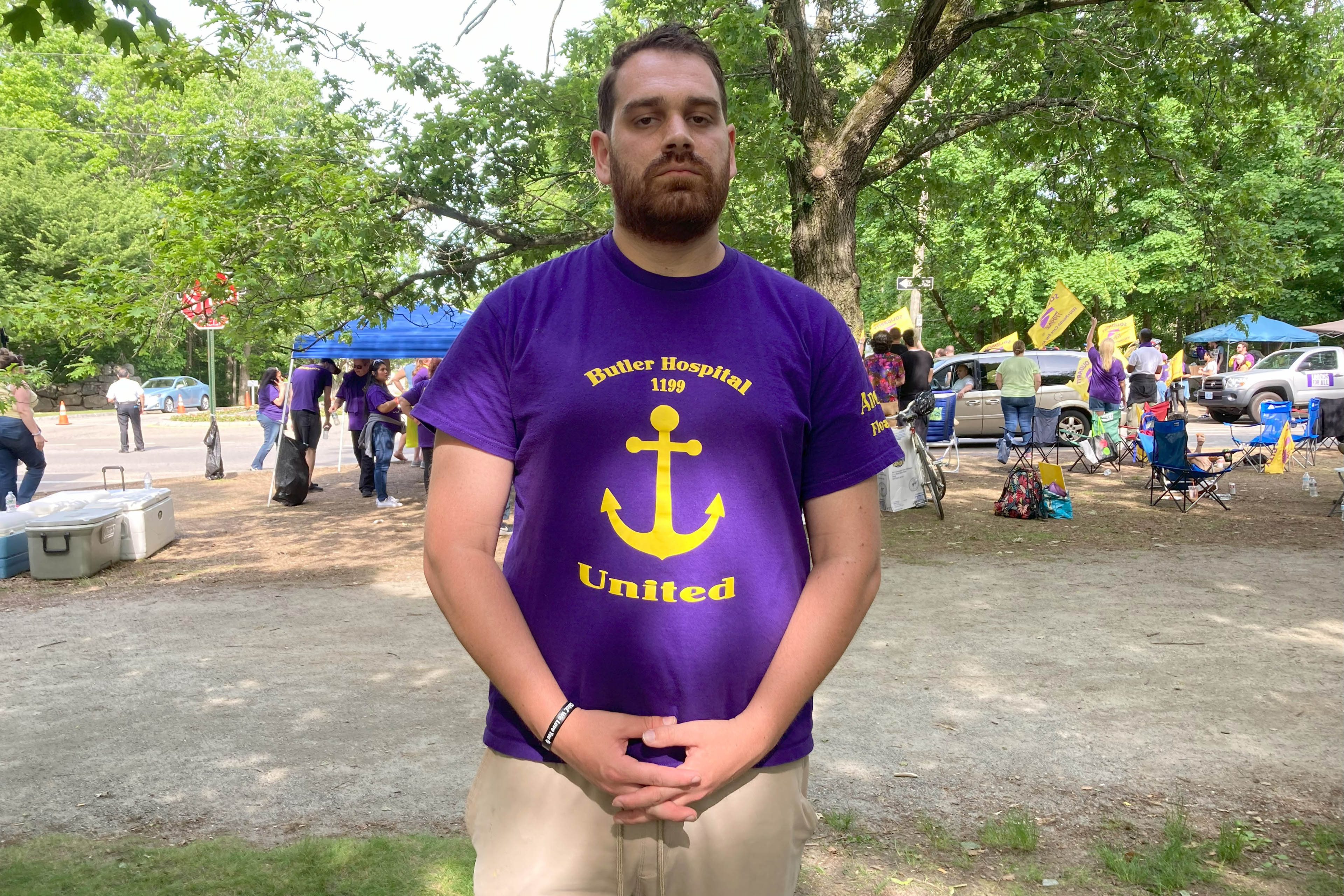
Mental health worker Andrew Kimball-Mirzaie said he got hurt in February 2024 at Butler Hospital in Providence, Rhode Island.

A man wearing a purple T-shirt that reads, "Butler Hospital 1199 United" stands for a photograph.
Andrew Kimball-Mirzaie, a mental health worker at Butler Hospital in Providence, Rhode Island, who says he was assaulted by a patient, participated in a three-month strike in spring and summer 2025. (Lynn Arditi)

He’d been working at the private psychiatric hospital for about six weeks and said he hadn’t yet worked in the ER. He said he was sent there to “monitor” a man in his 20s who was waiting for an inpatient bed.

The patient was alone in a back room watching a Knicks basketball game on TV, he recalled. Kimball-Mirzaie said he got the patient a drink and a snack. They were watching the game when, suddenly, he said, the patient stood up and punched him in the face. He said the assault left him with a concussion and broken nose. His injuries were documented in the hospital’s incident log.

“I understand that there is an inherent danger with the job,” Kimball-Mirzaie said. He doesn’t blame the patient, who was very ill at the time. “We should have had at least another staff member with us,” he said, “and I should have been adequately trained on the unit.”

The attack emboldened Kimball-Mirzaie to join some 700 other unionized Butler workers last spring and summer in a months-long strike, which forced the hospital to close nearly half of its beds. Service Employees International Union 1199 New England declared the strike a win.

Employees received wage increases that union leaders said would enable the hospital to attract and retain more staff. The hospital also agreed to provide financial support for workers violently injured on the job. And the hospital and union agreed to jointly fund a “time bank” to supplement workers’ compensation for injured workers who need more time to recover.

But five months later, a nurse supervisor at Butler had to call 911 because an unarmed patient in the hospital’s ER was assaulting staff. According to the police report, by the time police arrested the patient, he’d injured two nurses, a security guard, and a police officer.

“Butler recognizes the importance of being proactive in protecting those who provide care,” Mary Marran, Butler’s president and chief operating officer, said in a statement. She added that hospital leadership meets regularly with staff to review safety measures and “identify opportunities to strengthen protection for everyone.”

The patient was charged with four counts of felony assault, including against the two nurses.

The American Hospital Association has said punishment is key to preventing violence. It has been lobbying Congress to make assaulting healthcare workers a federal crime that would carry up to 10 years in prison. At least 45 states, including Michigan and Rhode Island, have enacted similar laws. But workplace safety experts say there is no evidence that such laws have reduced the incidence of violence against healthcare workers.

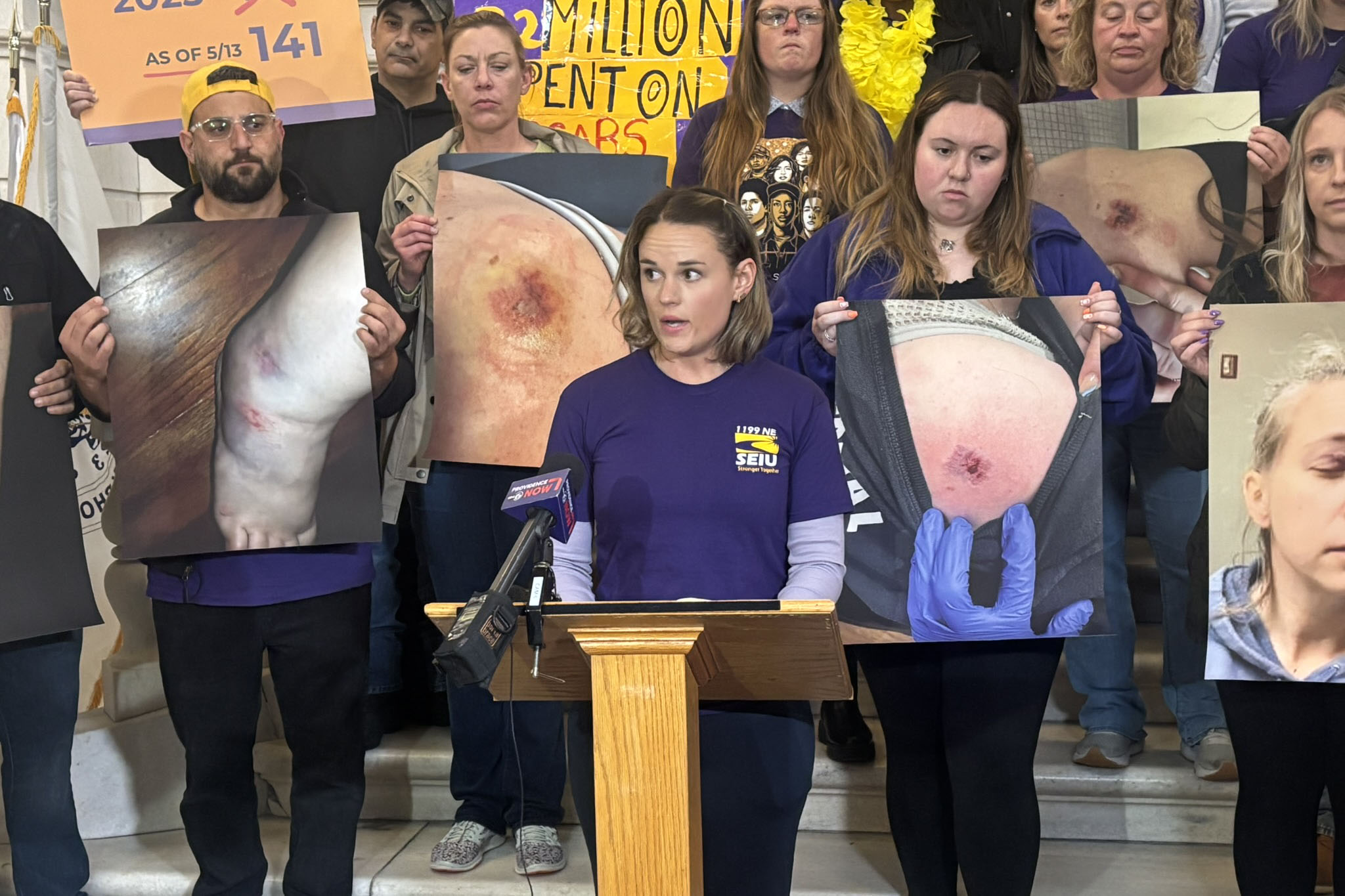
A woman wearing a purple T-shirt speaks at a podium on the steps of a state building. Behind her, supporters hold large pictures of injuries they've suffered on the job.
Catherine Maynard, a nurse at Butler Hospital, speaks at a union rally at the State House in Providence, Rhode Island, on May 23, 2025. (Steve Ahlquist)

Calls for ‘Safe Staffing’

Striking healthcare workers around the country often have demanded “safe staffing” instead of stronger punishments for patients who cause injuries.

The rise in violence against healthcare workers has caught the attention of the Joint Commission, the accreditation organization for more than 80% of U.S. hospitals and health systems. The commission released national performance goals that took effect in January and require hospitals to be properly staffed and that staff be trained “to provide safe, quality care.”

But no federal law limits the number of patients in a nurse’s care across healthcare settings, despite the nation’s largest nurses union, National Nurses United, having pressed for a national standard since 2018. Hospitals must “safely staff all units” to enable nurses to “provide the care that patients need before they get agitated or disoriented,” said Jane Thomason, lead industrial hygienist for National Nurses United.

Some states have passed their own staffing laws. Only California has enacted broad mandatory nurse staffing ratios, which research shows were associated with lower mortality rates and likely higher retention. Oregon enacted a staffing law, with exceptions. Legislators in Massachusetts and New Jersey have introduced similar bills, but they have failed to advance to floor votes.

The American Hospital Association opposes mandatory minimum nurse staffing ratios in hospitals, saying they would “remove real-time clinical judgment and flexibility,” compound staffing shortages, and potentially force some hospitals to turn away patients or delay care, spokesperson Colleen Kincaid said. And she pointed to California, whose new emergency nurse staffing ratios for psychiatric hospitals reportedly forced bed closures in at least four counties.

“There are a lot of other things you can do to prevent workplace violence than just increasing staffing levels,” said Jordan Barab, who was a deputy assistant secretary of labor for the Occupational Safety and Health Administration during the Obama administration and helped develop OSHA’s 2016 guidelines for healthcare and social service workers.

Barab said hospitals can, for example, train employees in de-escalation, install metal detectors, or have specially trained security guards on-site so staff don’t have to wait for police to arrive when an incident happens.

Debbie Berkowitz, a worker safety and health policy expert at Georgetown University, said the health provisions in congressional Republicans’ One Big Beautiful Bill Act will squeeze hospitals’ budgets in the next few years.

When funding dries up, she said, “protecting workers is going to be the first thing that gets cut.”

This article is from a partnership that includes NPR and KFF Health News.

KFF Health News is a national newsroom that produces in-depth journalism about health issues and is one of the core operating programs at KFF—an independent source of health policy research, polling, and journalism. Learn more about KFF.

This article first appeared on KFF Health News and is republished here under a Creative Commons Attribution-NonCommercial-NoDerivatives 4.0 International License.


from Health Industry Archives - KFF Health News
Related Posts:

You Want To Join a Clinical Trial. Here’s What To Know About the Hurdles.

Connecting people with clinical trials is complicated — even if people identify a promising match, there’s a slew of potentially thorny factors, including geographic incompatibility, and financial and time considerations.

Simply finding an appropriate trial can present an enormous hurdle. In a recent online survey of more than 2,000 adults, 71% of patients with chronic conditions said they would be likely to participate in a clinical trial if given the chance. But two-thirds said that their healthcare provider had never discussed clinical trials with them. According to one study using data from 2020, just 9% of adults reported ever being invited to participate in a clinical trial.

Clinical trials are essential to the development of new and effective medical treatments. But gathering the real-world human data necessary to win Food and Drug Administration approval for drugs, devices, and other interventions can be an arduous task. By one estimate, up to 86% of clinical trials don’t meet their recruitment targets during the trial time frame.

Getting people signed up isn’t the only challenge.

“Recruitment is one thing — retention is another,” said Alan Balch, executive board chair at the Patient Advocate Foundation, which has a clinical trial search tool and maintains extensive educational materials online. “Every touchpoint is an opportunity for access and affordability to be a problem.”

The need to improve patient participation in clinical trials is not a new concern, but it’s attracting new interest.

In June, the Department of Health and Human Services announced an effort to streamline and enhance clinical research in the United States. It included a public request for information about whether to modify federal rules that currently deter some trial sponsors from paying clinical trial participants for expenses such as travel and lodging.

In July, a group of nearly 200 patient advocacy and public health groups sent a letter to the Senate sponsors of the Clinical Trial Modernization Act, urging its passage. The bill would allow trial sponsors to cover trial participants’ medical costs, such as insurance deductibles and copays, and nonmedical expenses like travel and childcare. It would also exclude up to $2,000 in financial support for clinical trial participation from federal taxes, so people wouldn’t risk losing their eligibility for Medicaid or other income-based programs if they signed on.

While these efforts to improve clinical trials and patient participation are ongoing, here are answers to some questions about how the system works now and what patients can do if they want to take part.

Why Be a Guinea Pig? Understand the Facts

In some trials, some participants are given a new drug or therapy that’s being investigated while others receive a placebo with no physical effect.

But there are many types of clinical trials. Some test different drug combinations, for example. They can test medical devices, preventive measures such as vaccines, or lifestyle changes. Others test ways to screen for or diagnose medical conditions.

For people with very serious illnesses, a clinical trial may offer the best hope for extending their life or improving their quality of life.

“Cancer is often a fatal disease, and clinical trials offer an opportunity to try something that may or may not be better,” said Mark Fleury, the policy principal for emerging science at the American Cancer Society Cancer Action Network. “If you know the existing standard of care has an average survival of eight months, you want something with a better opportunity.”

In addition, even if patients don’t receive the therapy being tested in the clinical trial, they are monitored closely throughout and receive the gold standard of care, which they might not receive elsewhere, patient advocates said.

Some people decide to participate in trials to aid in advancing science.

Jim Taylor’s wife, Geri, died of Alzheimer’s disease two years ago, more than a decade after her diagnosis in 2012. The couple became advocates for people with the disease, and Taylor is continuing that effort. He’s currently participating in three observational Alzheimer’s trials that are employing cognitive tests and scans to track how his brain is changing compared with the brains of people who’ve been diagnosed with the disease.

“The reason I’ve done it is so I can explain to people, with some authenticness and experience, what a trial is like,” he said.

Finding a Clinical Trial

Despite widespread interest in clinical trial participation, most patients don’t know how to find one.

They can’t necessarily count on their doctors for help. According to an online survey of just over 500 primary care physicians in March, sponsored by the Patient Advocate Foundation, even though 86% of respondents said they were somewhat or very likely to refer their patients to a trial, only 37% had ever done so. When doctors did discuss clinical trials with their patients, it was usually because they had asked about them (67%), they weren’t responding to standard treatment (65%), or their disease was progressing (55%).

But for time-strapped doctors, identifying clinical trials for which patients might be eligible isn’t a simple task. A community oncologist, for example, would typically have to conduct a search using one of the available clinical trial search engines (clinicaltrials.gov is the most comprehensive), type in all the patient’s characteristics, look at the trials that might be appropriate, and call the site to ask whether the trial is still open, Fleury said.

“And if they’re successful, what happens? They lose their patient,” he said.

Patients may have an even tougher time searching for trials on their own. Some patient advocacy groups have in-person or online navigators that can help people identify trials they might be eligible for.

The American Cancer Society has a clinical trial matching service, for example. Organizations such as the Arthritis Foundation and the National Multiple Sclerosis Society have information about disease-specific trials on their websites.

If a hospital or health facility is part of a clinical trial, patients there are often best positioned to enroll. Patients can ask their doctor or the facility for more information.

“Most recruitment for a trial happens at the site where the trial is happening,” Balch said.

There’s a Trial, but You Can’t Enroll

Much of the clinical research in the U.S. is conducted at large, often urban, academic medical centers. It can be tough for patients to enroll in a trial at a site unless they live nearby or are already being treated there, according to clinical trial experts.

To participate in a trial, people generally have to meet periodically with the researchers conducting it. They may also need to get regular blood draws or imaging, or to answer questionnaires to monitor their progress.

“The number one barrier keeping patients out of trials is a lack of onsite clinical trials,” Fleury said.

A 2019 study that examined 8,893 cancer patients’ participation in clinical trials found that more than half (55.6%) didn’t have an available trial for their type and stage of cancer at the medical facility where they were being treated. An additional 21.5% didn’t meet the eligibility criteria for an available trial.

If a patient identifies a clinical trial at a viable location and wants to be considered, the patient should contact the trial recruiters directly and ask them, Balch said.

“That’s just the beginning,” he said. Patients also need to find out whether they meet a trial’s eligibility requirements and whether it’s covered by insurance, and to consider how they’re going to pay for any medical or nonmedical costs.

Recently there’s been a lot of interest in decentralized access to clinical trials, so patients could do at least some of the trial tasks at home or at their local cancer center, for example.

“It’s not common yet,” Balch said. But if decentralization grows, he said, it will open up the opportunity to more patients — and more representative groups of patients.

There’s a Trial, but You Can’t Afford It

If someone participates in a clinical trial, the trial sponsor picks up the tab for costs stemming directly from the trial, including the drug or device being investigated.

In addition, under the Affordable Care Act, most commercial health plans are required to cover routine patient costs associated with participating in a clinical trial.

But that doesn’t mean members won’t owe anything. They are generally still responsible for any deductibles, copays, or coinsurance amounts for the routine care that they receive during a clinical trial. And the ACA doesn’t require plans to have out-of-network benefits. That means if a clinical trial is sponsored by a provider that is out of someone’s provider network, the plan might not cover those costs.

Medicare and Medicaid have similar requirements for coverage of routine clinical trial costs.

For some patients, incidental expenses can put participation in a clinical trial out of financial reach. Participants may face costs for travel to the trial site, parking, lodging, childcare, or taking time off work.

“There shouldn’t be an added set of concerns and disincentives around costs and financial toxicity,” said Wendy Selig, the founder and CEO of WSCollaborative, a healthcare consultancy. Selig is also the project lead for Equitable Access to Clinical Trials, which aims to eliminate incidental costs for patients in trials.

Some trial sponsors pay for incidental expenses but might not make that clear up front to patients who are considering participating.

Patients should take the initiative and ask, Selig said. “There may in fact be help, and you should take advantage of it if it’s available.”

KFF Health News is a national newsroom that produces in-depth journalism about health issues and is one of the core operating programs at KFF—an independent source of health policy research, polling, and journalism. Learn more about KFF.

This article first appeared on KFF Health News and is republished here under a Creative Commons Attribution-NonCommercial-NoDerivatives 4.0 International License.


from Health Industry Archives - KFF Health News

Related Posts: