After Her Bout of Amnesia, a $59,000 Billing Dispute Wouldn’t Go Away

On April 10, 2025, several hours after finishing a hike in Sedona, Arizona, Jan Anderson started repeating herself.

“Did we hike this morning?” she asked.

“Yes, we hiked,” said her husband, Steve Francks. “And you did really well.”

But 15 seconds later, she asked the same question: “Did we hike today?”

Anderson, 65, a retired finance executive, doesn’t remember any of it. She can recall what happened that afternoon only because her husband started recording her on his cellphone.

“I was just on this nonstop loop,” she said.

Almost immediately, Francks knew something was wrong. “Jan was out of it,” he said.

He took her to an emergency room in Sedona, where staff initially thought she might be having a stroke. Because the facility wasn’t fully equipped to evaluate or treat stroke patients, Francks said, she was airlifted to a Phoenix-area hospital, where she was admitted.

It turned out she wasn’t having a stroke. Her medical team eventually determined she was probably experiencing transient global amnesia, a rare, temporary, and benign memory disorder.

The good news was that her symptoms didn’t last long, and she has suffered no long-term effects from the episode. It took about 24 hours before she was able to start forming new memories, and she was discharged the next day. Anderson and Francks, who split their time between Sedona and Edmonds, Washington, returned to the Pacific Northwest a few weeks later.

Then the bill came.

The Medical Service

The sudden confusion associated with transient global amnesia can also be a sign of a more common neurological condition, so it’s important to rule out other possible causes — such as a stroke, for which timely emergency care can spell the difference between life and death.

Anderson’s records show her care at Abrazo Health’s Arrowhead Campus in Glendale, Arizona, included an electrocardiogram, which can detect underlying cardiac abnormalities, and imaging, which would rule out any vessel blockages that might cause a stroke. She also underwent various lab tests commonly used to diagnose a stroke.

The Bill

$59,181: $35,302 for diagnostic/therapeutic imaging, $8,147 for laboratory services, $8,146 for a special care unit, $5,532 for EKG services, and $2,054 for pharmacy. Anderson’s first bill from Abrazo Health said she owed $15,312.43, citing an insurance adjustment of $43,868.57, even though her insurer had not covered any of the charges.

Anderson said her insurer covered separate charges for the ER and helicopter transfer.

The Billing Problem: Communication Breakdown

The federal No Surprises Act bans out-of-network bills for most emergency services, even if those services are received at an out-of-network facility and are not preapproved by the insurer.

That means the cost of Anderson’s hospital care should have been covered as though it were in-network. At the time, she was insured by Molina Healthcare, through a plan purchased on the federal Affordable Care Act marketplace.

But for a year, Molina declined to pay for her care in Glendale, at one point arguing that her hospital stay required authorization when, or even before, she was admitted.

“I can’t get anyone to resolve it,” Anderson said. “It’s almost $60,000 hanging over my head.”

The first problem arose about two weeks after she was discharged, when Abrazo Health sent Anderson a bill indicating she was a self-pay patient.

The hospital didn’t request her insurance information at any point during her stay, Francks said. He assumed, at the time, that his wife’s financial paperwork had been transferred from the ER in Sedona. It had not.

She called the Glendale hospital and corrected the error.

Then, in late June, Anderson received notice from the hospital indicating she was not a Molina member.

“Your insurance company notified our office that the patient was not a covered member for the services provided by Abrazo Arrowhead Campus on the above referenced service date(s),” the notice said. It showed the total charges for her stay exceeded $59,000.

But when Anderson called Molina to confirm her coverage, she said, the insurance company assured her the claim was being processed.

That didn’t mean Molina was willing to cover her hospital bill.

Anderson spent months trying to resolve the balance. She filed complaints with members of Congress, the Arizona Department of Insurance and Financial Institutions, and the Office of the Insurance Commissioner in Washington state.

Jan Anderson sits at a kitchen island counter. A laptop and paperwork is in front of her. She holds paperwork in her hands.
Anderson has fully recovered from her bout of transient global amnesia, but a dispute over nearly $60,000 in hospital charges has been a source of stress for over a year. (M. Scott Brauer for KFF Health News)

In an October letter to Washington’s insurance commissioner, an appeal and grievance specialist for Molina wrote that the claim was denied because “inpatient stays require prior authorization, or notification at the time of admission. No notification of admission or prior authorization was received from the hospital, so the claim was denied.”

It continued: “Molina covers out of network emergency services but since this was an inpatient admission authorization is required.”

Nicole Broadhurst, who focuses on medical billing issues as CEO of a Tennessee patient advocacy group, said this dispute appears to rest between the insurer and the medical provider.

She said that Anderson’s insurance information should have been transferred between the first ER and the Glendale hospital. Since it wasn’t, Broadhurst said, Anderson shouldn’t be held liable for her hospital bill. (Broadhurst was not involved in efforts to resolve Anderson’s billing dispute.)

Unfortunately, Broadhurst said, these situations are “not uncommon, even though we have the No Surprises Act.”

The Resolution

Anderson said she was told by Abrazo Health for months that it was working with Molina to resolve the bill. She said she was also told that even if Molina did not cover the full cost of her hospital care, she would not be liable for the balance — but she never received that assurance in writing.

Meanwhile, Molina continued to uphold its decision to deny payment.

After KFF Health News contacted the insurer and the hospital with questions about her case, Molina told Anderson it had launched an internal review of her claim, and a revenue director with Abrazo Health told her the company was “treating this as a high-priority matter,” she recalled.

Anderson said the revenue director for the health system assured her that if Molina continued to deny payment, “the balance will be written off on the hospital’s end,” she said. “I will not be responsible for any balance” — not even the $15,312.43 the hospital initially billed her after the hospitalization.

Linda Nofer, a spokesperson for Abrazo Health, would not answer questions about Anderson’s bill. In a statement, she said the hospital system is “committed to working closely with our patients to resolve billing questions and concerns.”

Molina spokesperson Caroline Zubieta would not discuss or respond to questions about Anderson’s case on the record.

The Takeaway

The flurry of insurance paperwork and medical bills patients receive after a hospital stay can be overwhelming — and may sometimes appear contradictory.

Broadhurst said it’s important for patients to focus on the “patient responsibility” portion of an insurance document called an explanation of benefits.

Patients should not pay a bill if their explanation of benefits indicates they aren’t responsible for the amount charged.

In this case, Anderson had received a bill from the hospital saying she owed money. And her explanation of benefits from Molina confirmed she’d racked up more than $59,000 in hospital charges.

But that document also indicated her patient liability was “$0.00.” Anderson said the hospital was not pressuring her to pay the $15,312.43 bill or any of the charges tied to her account, but she was worried she would eventually owe a large sum because the charges remained unresolved for more than a year.

“The question I kept asking them was, ‘How much am I going to owe?’” said Anderson, who is now insured by Medicare. “It could be anywhere from that $15,000 adjusted amount to the full balance of $59,000.”

Broadhurst said she tells patients facing similar situations to “send the hospital a copy of the EOB and ask them to correct the account to $0 patient responsibility.”

“Even if no one is actively trying to collect, I’d still push for written closure so it doesn’t keep hanging over them,” she said.

Jan Anderson stands on her porch, framed by doors on both sides.
(M. Scott Brauer for KFF Health News)

Bill of the Month is a crowdsourced investigation by KFF Health News and The Washington Post’s Well+Being that dissects and explains medical bills. Since 2018, this series has helped many patients and readers get their medical bills reduced, and it has been cited in statehouses, at the U.S. Capitol, and at the White House. Do you have a confusing or outrageous medical bill you want to share? Tell us about it!

KFF Health News is a national newsroom that produces in-depth journalism about health issues and is one of the core operating programs at KFF—an independent source of health policy research, polling, and journalism. Learn more about KFF.

This <a target="_blank" href="https://kffhealthnews.org/health-care-costs/amnesia-arizona-hospital-prior-authorization-bill-of-the-month-may-2026/">article</a&gt; first appeared on <a target="_blank" href="https://kffhealthnews.org">KFF Health News</a> and is republished here under a <a target="_blank" href="https://creativecommons.org/licenses/by-nc-nd/4.0/">Creative Commons Attribution-NonCommercial-NoDerivatives 4.0 International License</a>.<img src="https://kffhealthnews.org/wp-content/uploads/sites/8/2023/04/kffhealthnews-icon.png?w=150&quot; style="width:1em;height:1em;margin-left:10px;">

<img id="republication-tracker-tool-source" src="https://kffhealthnews.org/?republication-pixel=true&post=2241524&amp;ga4=G-J74WWTKFM0&quot; style="width:1px;height:1px;">

from Health Industry Archives - KFF Health News
Related Posts:

More Kids Without Coverage

The Host

Julie Rovner photo
Julie Rovner KFF Health News @jrovner @julierovner.bsky.social Read Julie's stories. Julie Rovner is chief Washington correspondent and host of KFF Health News’ weekly health policy news podcast, "What the Health?" A noted expert on health policy issues, Julie is the author of the critically praised reference book "Health Care Politics and Policy A to Z," now in its third edition.

The One Big Beautiful Bill Act, passed by congressional Republicans in 2025, was supposed to backload cuts to health programs so they wouldn’t take effect until after the 2026 midterm elections. That’s not how things are working out, with numerous analyses showing insurance coverage is already starting to drop.

Meanwhile, the Trump administration claims that the coverage reductions prove its anti-fraud efforts are working. But those efforts are likely to affect far more people than just those who commit fraud against federal health programs.

This week’s panelists are Julie Rovner of KFF Health News, Maya Goldman of Axios, Shefali Luthra of The 19th, and Lauren Weber of The Washington Post.

Panelists

Among the takeaways from this week’s episode:

  • Amid a recent decline in the number of Americans with health insurance, one affected group in particular stands out: children. Many kids are falling off the Medicaid rolls, largely because of the chilling effects of the Trump administration’s immigration crackdown and broader confusion about eligibility requirements.
  • Meanwhile, the high cost of health insurance is pressing people to seek alternatives, many of which offer few or no protections against large medical bills. On the campaign trail, high-profile Democrats are sounding the alarm about a problematic health ecosystem, even framing issues such as reproductive health in terms of affordability.
  • The Trump administration is raising eyebrows with its response to the emerging Ebola crisis as it works to keep American citizens exposed to the disease out of the country entirely. Countering previous government approaches, which prioritized not only public safety but also offering the best care available to Americans, this approach also stands in stark contrast with President Donald Trump’s dismissal of masks, isolation, and other measures during the covid pandemic.
  • And Trump declared himself healthy this week after undergoing his third physical exam in 13 months at Walter Reed National Military Medical Center. Trump’s resistance to answering specific questions, despite visible issues such as bruising and swelling, raises the point that a president’s health can be a public matter — especially for a president who is about to turn 80.

Also this week, Rovner interviews KFF Health News’ editor-at-large for public health, Céline Gounder, to discuss the Ebola outbreak in central Africa. 

Plus, for “extra credit” the panelists suggest health policy stories they read this week that they think you should read, too: 

Julie Rovner: ProPublica’s “She Faced a Life-Threatening Miscarriage. Under Arkansas’ Abortion Ban, Even Calls to the Governor’s Office Didn’t Help,” by Kavitha Surana.  

Lauren Weber: The New York Times’ “Short Naps, Long Hours: How Autism Clinics Squeeze Medicaid Dollars Out of Preschoolers,” by Sarah Kliff and Margot Sanger-Katz.  

Shefali Luthra: The New York Times’ “Nine Months of Medical Attention. Then Almost Nothing,” by Sejal Hathi.  

Maya Goldman: The Texas Tribune’s “Texas Children’s Hospital Must Create Country’s First ‘Detransition Clinic’ Under Legal Settlement With State,” by Terri Langford and Colleen DeGuzman. 

Also mentioned in this week’s podcast:

Credits

Francis Ying Audio producer
Emmarie Huetteman Editor

Click here to find all our podcasts.

And subscribe to “What the Health? From KFF Health News” on Apple Podcasts, Spotify, the NPR app, YouTube, Pocket Casts, or wherever you listen to podcasts.

KFF Health News is a national newsroom that produces in-depth journalism about health issues and is one of the core operating programs at KFF—an independent source of health policy research, polling, and journalism. Learn more about KFF.

This <a target="_blank" href="https://kffhealthnews.org/podcast/what-the-health-448-republicans-midterms-children-losing-insurance-may-28-2026/">article</a&gt; first appeared on <a target="_blank" href="https://kffhealthnews.org">KFF Health News</a> and is republished here under a <a target="_blank" href="https://creativecommons.org/licenses/by-nc-nd/4.0/">Creative Commons Attribution-NonCommercial-NoDerivatives 4.0 International License</a>.<img src="https://kffhealthnews.org/wp-content/uploads/sites/8/2023/04/kffhealthnews-icon.png?w=150&quot; style="width:1em;height:1em;margin-left:10px;">

<img id="republication-tracker-tool-source" src="https://kffhealthnews.org/?republication-pixel=true&post=2242581&amp;ga4=G-J74WWTKFM0&quot; style="width:1px;height:1px;">

from Health Industry Archives - KFF Health News

Related Posts:

In a Vaccine-Skeptical California County, a Potential Playbook To Contain Measles

James Mu had braced for the call that came in late January.

A patient from his rural Northern California county had measles, a disease so rare there that many physicians have never treated a case.

While California has some of the strictest vaccine laws in the country, conservative Shasta County’s approach during the covid pandemic stood in stark contrast with the state’s guidance. Its local leaders opposed masking and vaccine mandates, and they ousted the county public health officer, who had sought to enforce those state policies and other safety measures.

A potential measles outbreak had “always been in my mind,” said Mu, an outspoken family physician who was among local doctors to sign a 2022 letter opposing covid vaccine mandates. But Mu, the county’s current public health officer, said that when his department identified the first local measles case, it acted decisively: “We forgot about fear.”

They went to work, he and his team said, to painstakingly retrace the steps of nine people sickened with measles, contacting more than 600 people who may have been exposed at Costco, a sushi restaurant, sporting events, a school, or a healthcare clinic. Just one of the nine contracted measles from one of those locations, while the others were characterized by the public health department as “close contacts.”

Two and a half months later, the Shasta County public health department had declared the measles outbreak over. Infectious disease experts say the rapid response executed in the mostly rural, vaccine-hesitant county offers a playbook for public health officers across the nation who are struggling to keep the highly contagious virus from spreading.

“To me, the story of Shasta is one of hope,” said Peter Chin-Hong, an infectious disease specialist at the University of California-San Francisco.

An aerial view of downtown Redding, California.
Downtown Redding, California, the seat of Shasta County. (iStock/Getty Images)

After more than a year of ongoing cases, measles has sickened more than 4,000 people in the U.S., according to the Centers for Disease Control and Prevention. For the first time in two decades, the U.S. is poised to lose its measles elimination status, a designation signaling that outbreaks are rare and rapidly contained.

Utah had confirmed 673 measles cases as of late May while South Carolina had seen at least 997, according to their state health departments. California had confirmed 74 cases.

Critical Rapid Response

In late January, when Shasta County identified the first case, Mu gathered with more than a dozen communicable-disease nurses, epidemiologists, and emergency and community relations staffers for an “initial threat assessment meeting.”

Measles is an airborne pathogen that can linger in a room for two hours after an infected person leaves, so on-call nurses and responders faced a daunting task figuring out exactly when the patient was infectious and where they had been.

“Everything is about speed — speed in identifying the person and finding the sites where measles were occurring,” Chin-Hong said. “If you keep it down to a few cases, it’s much easier. If you wait just a little bit longer, those people would have been in contact with a lot more people.”

Roughly 9 in 10 unvaccinated people exposed to the virus become infected. All nine of Shasta County’s confirmed cases were people who were unvaccinated or had unknown vaccination status, according to the county’s public health department. Before the department called families who may have been exposed, county nurses sometimes enlisted school principals, church staff, clinic managers, or others to make first contact, said Daniel Walker, the county’s supervising epidemiologist.

Erika Piper, the head of Redding Christian School in Palo Cedro, talked to school families wary of requests by public health officials — and government in general — to provide immunization records or other personal information. She said she also had tough but respectful conversations with families to ensure exposed, unvaccinated kids stayed home from school, so their community could abide by public health guidance calling for 21 days of isolation.

“I would say to them: ‘That’s totally fine. You have a choice. You’ve made your choice. But there are still consequences to the choices we make,’” Piper said, referring to families who had opted not to vaccinate their children. “‘And so you can either be a willing helper and a partner with me in this, and we can make it work and get through it, or you can battle me on it. But either way, you can’t be in school.’”

She allowed work to be sent home to quarantined students and personally took daily attendance at the school to help ensure health guidelines were met.

The California Department of Public Health assisted with case investigation by making calls to exposed people at the county’s request and deployed a covid-era phone system, CalCONNECT, that automates symptom monitoring for exposed contacts.

Shasta officials warned people not to be wary of calls from contract tracers using a 279 area code, worrying they would dismiss them as scams.

Delicate Conversations

In Shasta County, the measles vaccination rate is just below the 95% threshold for community-level protection, but in pockets of the community the rates are lower and vary widely, according to state data. And in those vulnerable places, an outbreak can spread.

For example, more than a quarter of Shasta schools had rates below 95% in 2024-25, according to the latest state data available. Several were below 90%. Although Redding Christian School reported a kindergarten measles vaccination rate at or above 95% in 2024-25, it was 87.8% three years earlier.

When it came to talking to people who had been exposed to measles, Sharayne Loomis, a supervising public health nurse on Shasta’s communicable-disease team, described the department’s approach as “meeting people where they are.” That included nonjudgmental conversations that supported residents regardless of their stance on vaccination, Loomis said.

Mu said the same philosophy extended across the county’s health agencies, but he publicly cautioned against “measles parties,” gatherings where unvaccinated children are intentionally exposed to build immunity. And he spoke against receiving high doses of vitamin A without medical supervision. Vitamin A has circulated as a measles treatment in vaccine-skeptical communities and was endorsed last year by Health and Human Services Secretary Robert F. Kennedy Jr., though the CDC website says that vitamin A “does not prevent measles and is not a substitute for vaccination.”

A headshot of James Mu indoors.
James Mu, Shasta County’s public health officer, led the rural, conservative California county’s effort to contain a measles outbreak that began in late January. (Shasta County)

Some community members said Mu’s department could have been more proactive before the outbreak, imploring him to emphasize the importance of vaccination in public messaging.

“Clearly, when the situation was known to be coming into our communities, that would have been a time to advise for vaccines,” Steve Kahn told county supervisors at their February board meeting. “I think he was negligent in that.”

For years, public health has been a political flash point for the region. The Board of Supervisors fired the previous public health officer, Karen Ramstrom, in May 2022 after pushback from residents upset with her enforcement of state covid rules.

In an effort to reach vaccine-hesitant Californians, state officials have been working in a coalition called Public Health for All Californians Together and through an effort nicknamed Project Stethoscope that uses social media monitoring and other research to tailor messaging to skeptical viewers.

Erica Pan, director of the California Department of Public Health, said the state is preparing for measles to possibly surge when it hosts World Cup soccer matches starting in June, as well as with increased summer travel.

But when it comes to mitigating an outbreak in a community, public health officials say, residents — especially those skeptical of vaccines — need to hear from the people they know.

“Trust is very important for us,” Mu said. “It is critical in getting people to follow our guidance, especially during an outbreak.”

KFF Health News is a national newsroom that produces in-depth journalism about health issues and is one of the core operating programs at KFF—an independent source of health policy research, polling, and journalism. Learn more about KFF.

This <a target="_blank" href="https://kffhealthnews.org/public-health/measles-outbreak-contained-vaccine-skeptical-california-shasta-county/">article</a&gt; first appeared on <a target="_blank" href="https://kffhealthnews.org">KFF Health News</a> and is republished here under a <a target="_blank" href="https://creativecommons.org/licenses/by-nc-nd/4.0/">Creative Commons Attribution-NonCommercial-NoDerivatives 4.0 International License</a>.<img src="https://kffhealthnews.org/wp-content/uploads/sites/8/2023/04/kffhealthnews-icon.png?w=150&quot; style="width:1em;height:1em;margin-left:10px;">

<img id="republication-tracker-tool-source" src="https://kffhealthnews.org/?republication-pixel=true&post=2240454&amp;ga4=G-J74WWTKFM0&quot; style="width:1px;height:1px;">

from Health Industry Archives - KFF Health News

Related Posts:

Readers Address Drugged Driving, Suicide Prevention, Worker Shortages

Letters to the Editor is a periodic feature. We welcome all comments and will publish a selection. We edit for length and clarity and require full names.


On the Road To Find Out

Your article “Efforts To Understand the Nation’s Drugged Driving Problem Stall Under Trump” (May 19) missed the mark.

There is a real lack of data on drug-impaired driving across the country, but it’s not due to federal policy. The fact is, science has not yet found a simple, accurate way to measure if someone is too high to drive. And many local police departments just lack the resources to test drivers for drugs.

The National Highway Traffic Safety Administration under the Trump administration has prioritized countering drug-impaired driving. The agency continues to be a leading funder of drug-impairment research. To address state and local enforcement shortfalls, NHTSA provides ongoing funding, training, and resources. Unlike the previous administration, we’ve vigorously engaged with law enforcement to encourage road stops to combat drug-impaired driving. And, while some employees voluntarily left the agency last year, NHTSA has ensured that staff resources remain focused on this priority.

— Jonathan Morrison, administrator of the National Highway Traffic Safety Administration; Washington, D.C.


Shining Light on Suicide Rates and Poverty

I am a professor of risk and policy analysis at Indiana University who recently read Aneri Pattani’s piece entitled “Low Wages, Empty Plates, Heavy Toll: Rethinking Suicide Prevention” (May 12). I found it gracefully written and emotionally moving in its use of real-world stories. But I think the scientific foundations of your piece are, at best, murky. Please let me explain why.

There is no question that when we compare households of different income levels, the suicide rate is much higher in low-income households than in higher-income households. It is tempting to conclude that people living in a low-income household may be inclined to die by suicide because they lack sufficient resources to access life’s necessities. This is what I take to be the premise of your piece, linking suicide prevention to the minimum wage law and policy around the Supplemental Nutrition Assistance Program.

Scientifically, the cross-sectional household comparison does not establish a causal relationship between poverty and risk of suicide. The obvious reason is that there are many other possible explanations for the association: higher rates of mental illness in low-income households, higher rates of substance misuse in low-income households, lower levels of educational attainment in low-income households, and so forth. Poverty itself may be a causal factor, but these other variables matter and may be much more important than poverty per se.

If poverty is a powerful cause of suicide, we should be able to discern changes in the rate of suicide during periods when the rate of poverty changes substantially. Take the period 2010 to 2019, when the U.S. poverty rate declined steadily and substantially (the period of recovery from the financial crisis and the Great Recession of 2007-09). In 2019 (the last year before the covid-19 pandemic), the overall poverty rate, 10.5% — and the elevated rates among Blacks and Hispanics — were the lowest recorded since federal poverty statistics began in 1960 (when it was about 22%). Yet the decade from 2010 to 2019 saw a surge in the nation’s suicide rate. In fact, if you take the longer period of 2000 to 2022, you find steadily rising rates of suicide in the United States, yet virtually no change in overall poverty rates.

Such temporal comparisons do not prove that poverty does not cause suicide. What they show is that poverty is not a highly potent cause of suicide. My guess is that poverty per se is a relatively minor cause of suicide, but even a minor causal role does not suggest that an increase in SNAP or Temporary Assistance for Needy Families benefits would reduce suicide.

One final point is about the large means-tested safety net in the United States. You are on firm ground in raising questions about what the Trump administration is doing to the safety net. But your readers need to appreciate that U.S. taxpayers are supporting a $1 trillion-a-year suite of anti-poverty programs, excluding Social Security and Medicare. The largest of those programs are Medicaid, coupled with the Children’s Health Insurance Program, and SNAP. But there are also the Affordable Care Act premium subsidies, the state block grants for TANF, childcare, job training, the Department of Housing and Urban Development’s rental vouchers, Pell Grants, federal student loans, and more. The means-tested safety net is much larger than the defense spending and growing rapidly as a share of the federal budget.

My view is that these programs are largely worthwhile, but not because they have played a powerful role in preventing suicide. A few budget numbers on the size of the safety net would have strengthened your piece and signaled to readers that you appreciate our country’s major investment in safety net programs.

Obviously, your piece stimulated me, which is a good thing.

— John D. Graham; Bloomington, Indiana


Single-Payer vs. All-Payer

I’m curious why Xavier Becerra — or any of the other California gubernatorial candidates, for that matter — aren’t talking about an “all-payer” model, similar to what was in place in Maryland (“In California Governor Race, Single-Payer Is a Litmus Test. There’s Still No Way To Pay for It,” May 8). There are many reasons a single-payer model wouldn’t work in one state, only one of which is the difficulties in figuring out reimbursement for people who travel out of state and receive healthcare while traveling. The all-payer model, which is being replaced by the AHEAD (Achieving Healthcare Efficiency through Accountable Design) model from the Centers for Medicare & Medicaid Services, is something worth considering in California. With the sheer size of the population, having unified billing, coding, and metrics across all payers could save millions in administrative costs.

We need to start with ideas that are feasible and then work our way toward something bigger. Let’s at least have a conversation about something that is possible to do.

— Kathryn Peisert; San Rafael, California


Bolstering the Home Care Workforce

This is another instance of money not being used wisely. In the article “Kids Keep Getting Stuck in Hospitals, Even After Being Cleared for Discharge” (May 18), pediatrician Elaine Lin noted a shortage of home care aides. In some states, private businesses provide home care services. Due to a profit incentive, these businesses often pay home care aides low wages.

This is one of the factors driving worker shortages. Why not try transferring a portion of the money now spent on high-cost hospital stays to better-trained and better-paid home care aides? Of course, each state has its own laws, regulations, and funding sources to navigate. However, it seems the willpower to collaborate is a necessary piece to solve this problem.

Some children could benefit from receiving care in a group home setting or at home with family members. If money can be better spent, let’s start with creating a system to increase the pay of better-trained and better-paid home care aides — a system that should increase the quality of services at reduced costs.

— Russell Anthony; Nashville, Tennessee


Essential Help While We Age

Your recent article “The Help That Many Older Americans Need Most” (April 27) captures something the healthcare system has been slow to accept: What happens to older Americans’ health is determined less by what happens in the clinic than by what happens at home, in the neighborhood, and at the kitchen table.

The evidence is stark. Nearly 1 in 10 older adults live in poverty, and many face persistent food insecurity. These challenges reinforce one another in a devastating cycle: Loneliness worsens food insecurity, food insecurity accelerates functional decline, and functional decline deepens isolation.

Community health workers are doing essential work to interrupt these cycles. But too much of that work remains invisible. Providers refer patients to community resources with no way of knowing whether anyone followed up. Community organizations serve people without a consistent way to report back. The result is a system that means well but cannot learn from itself, and older adults, especially those in rural areas, are left to navigate the challenges alone.

Technology can change that. Leaders nationwide are turning to closed-loop referral networks that enable community health workers and clinical providers to connect individuals with food assistance, transportation, housing support, behavioral health services, and other essential resources. Importantly, technology helps them track whether those services are actually received.

Beyond the initial referral, these networks monitor improvements in specific health metrics, like A1c levels and hospital readmissions. By identifying unmet needs early and coordinating timely support, they help prevent health crises and alleviate burdens on caregivers.

Both Oregon and Missouri offer strong examples of what this looks like at scale. In Oregon, statewide closed-loop referral technology, available across all 36 counties, served more than 80,000 clients. It also delivered $29 million in health-related social needs (HRSN) benefits to 15,000 Medicaid clients under Medicaid’s 1115 waiver last year alone.

In Missouri, the ToRCH program has seen its participating hospitals and clinics achieve a 19.6% increase in individuals with controlled blood pressure and an 18% increase in behavioral health follow-up after visits to the emergency department.

The Rural Health Transformation Program offers a concrete opportunity to build on this model. Policymakers should seize the opportunity to invest in infrastructure that makes social care coordination real: not just referrals sent, but services confirmed, outcomes tracked, and communities strengthened.

For an older adult in rural America, the difference between knowing where to turn and not knowing can be the difference between staying home and ending up in the emergency room. That’s the gap these systems can close.

— Halima Ahmadi-Montecalvo, vice president of research and evaluation for Unite Us; Washington, D.C.


KFF Health News is a national newsroom that produces in-depth journalism about health issues and is one of the core operating programs at KFF—an independent source of health policy research, polling, and journalism. Learn more about KFF.

This <a target="_blank" href="https://kffhealthnews.org/letter-to-the-editor/readers-drugged-driving-suicide-prevention-worker-shortages-single-payer-may-2026/">article</a&gt; first appeared on <a target="_blank" href="https://kffhealthnews.org">KFF Health News</a> and is republished here under a <a target="_blank" href="https://creativecommons.org/licenses/by-nc-nd/4.0/">Creative Commons Attribution-NonCommercial-NoDerivatives 4.0 International License</a>.<img src="https://kffhealthnews.org/wp-content/uploads/sites/8/2023/04/kffhealthnews-icon.png?w=150&quot; style="width:1em;height:1em;margin-left:10px;">

<img id="republication-tracker-tool-source" src="https://kffhealthnews.org/?republication-pixel=true&post=2240390&amp;ga4=G-J74WWTKFM0&quot; style="width:1px;height:1px;">

from Health Industry Archives - KFF Health News
Related Posts:

Cheaper, Alternative Health Plans Are Having a Moment, but Critics Urge Caution

When Melanie Miller saw that her health insurance premium payment was set to nearly triple to $914 a month this year, she stopped shopping on the Affordable Care Act marketplace.

The 59-year-old retired teacher, who recently moved from Ohio to Michigan, now pays $341 a month for a pair of plans, one that covers routine and urgent care and another that pays fixed amounts for hospital stays. Neither meets federal standards for comprehensive coverage.

Though she practices yoga and is healthy, Miller said she still feels “vulnerable.” If she lands in the hospital, her plan pays a flat $2,000, a fraction of the $30,000 price tag of an average hospital stay.

“I don’t gamble. But I may as well,” she said. “This is gambling.”

Congress’ decision late last year not to extend enhanced marketplace tax credits has boosted the appeal of alternatives to comprehensive insurance — plans like Miller’s, which have lower premiums but don’t meet ACA standards for coverage or consumer protections. Unlike plans sold on the exchanges, these options — some sold by major insurers, others by small companies or nonprofits — can deny claims with few or no legal rights for consumers to appeal. The plans are not required to cover “essential health benefits,” such as preventive care, and can impose annual or lifetime caps on benefits.

There is debate over whether these options help or harm patients. Consumer advocates dismiss them as “junk insurance,” while proponents say restricting alternatives to pricey marketplace plans risks driving up the number of uninsured. Some states, including Kansas and Florida, and the federal government itself have eased regulations on such plans or created incentives to join them, while other states, including California and Massachusetts, have tried to deter enrollment in alternative insurance. Those regulatory guardrails, however, are now being stress-tested as premiums blow out household budgets.

Alternative insurance takes many forms, including short-term policies, which were designed to bridge temporary gaps in coverage and often exclude preexisting conditions, and fixed-indemnity plans, which pay a flat rate per service regardless of how high costs go and are intended for supplemental use. Arrangements in which people pool their money to cover one another’s bills, including faith-based “healthcare sharing ministries,” also provide a cheaper alternative to the marketplace options. Because they are not considered insurance under federal or state law, they are not legally bound to pay for even eligible medical bills.

Enrollment data for alternative plans is mostly confidential, but several indicators point to shifts in the market. Recent estimates suggest marketplace enrollment declined about 20% from 2025, and a KFF survey of people on the exchanges last year found that 5% switched to private, nonmarketplace individual coverage, including plans that don’t comply with the ACA. Covered California, the state’s marketplace, plans to survey former enrollees to find out where they went.

Insurance industry insiders also report that, amid the expiration of subsidies, alternative plans are making a marketing push. Colorado insurance broker Samantha Albritton said that before ACA open enrollment, she saw more marketing from fixed-indemnity plans than in previous years. One healthcare sharing plan, Zion HealthShare, had more than 75,000 members in February — a 50% increase since last June, it said in a statement.

Critics of these alternative plans say the major issues occur when people use them as primary insurance and don’t realize the coverage is inadequate until they need it most. “Humans have bodies that can fail them,” said Amy Killelea, an assistant research professor at Georgetown University’s Center on Health Insurance Reforms.

A Premium Spike Drove Her From the Marketplace. An Alternative Left Her Exposed.

Melanie Miller, 59
Harbor Springs, Michigan

To avoid a $553 monthly premium hike this year, retired teacher Melanie Miller replaced her Affordable Care Act coverage with two alternative plans, one that covers preventive services and another that pays fixed amounts for hospital care. She considers her limited hospital coverage a calculated risk given her good health but is now weighing whether to drop the preventive care policy, given her struggles to find in-network providers in her area. “I have not had a good experience with it,” she said.

Killelea and other health insurance experts say that the fine print on these plans can be difficult to parse and that enrollees don’t have the protections of traditional insurance to fall back on. A 2023 peer-reviewed study found that after reading a summary of a sample short-term policy’s benefits and a disclosure that the plan was not ACA-compliant, only half of participants understood that prescription drugs were not covered.

When Jade Ramsey was 24, she declined insurance from her employer due to the cost of the premiums. After experiencing fatigue and unexplained bruising, she sought low-cost coverage from Southern Guaranty Insurance Company through a policy similar to a fixed-indemnity plan.

Two weeks after enrolling, Ramsey, who lives in Arizona, was unable to walk. An emergency room visit led to a six-day hospital stay and a $143,823 bill in 2021. She was diagnosed with acute lymphoblastic leukemia. Her insurer denied coverage for this and other bills, labeling the cancer a preexisting condition and offering no other recourse after rejecting her appeal, she said.

Those bills landed in collections, and her credit score nose-dived. Ramsey said she once visited the ER with chest pain she attributed to the stress of the six-figure debt. She eventually qualified for Medicaid, and her credit score has since recovered even though she never paid off the debt. She said collection agencies still call, but she ignores them.

Southern Guaranty Insurance Company did not respond to requests for comment.

Proponents of alternative insurance argue that stifling these more affordable options will just increase the ranks of those without any coverage.

“People should be able to spend their own money financing healthcare the way that works best for them,” said Brian Blase, president of Paragon Health Institute, an influential conservative think tank. Paragon pushed for ending the enhanced marketplace tax credits, arguing they fueled improper enrollment by heightening incentives for unscrupulous brokers to sign people up without their knowledge.

Robert Godfrey of Clearwater, Florida, appreciates having choices. When Godfrey’s monthly premium payment was slated to jump from $879 to around $1,250 this year, the 64-year-old hair salon owner switched to a $320-a-month membership with Zion HealthShare. Rarely needing medical care, Godfrey viewed the shift to a cheaper plan as a pragmatic choice. “Thank God I’m healthy,” he said.

Healthy and Outraged by Rising Premiums, He’s Betting on Alternative Insurance

Robert Godfrey, 64
Clearwater, Florida

Robert Godfrey, a hair salon owner, says he doesn’t need healthcare beyond preventive services and has never hit his deductible. So last year, when the expiration of enhanced federal subsidies was going to push his marketplace premium payment up 40% — to around $1,250 a month — he walked away. He called it an “outrageous increase.” Just months away from becoming eligible for Medicare, Godfrey opted for a cheaper alternative: a $320-a-month healthcare sharing plan. These arrangements, in which members pool their funds to cover one another’s medical costs, aren’t legally obligated to pay for expenses.

The Trump administration has relaxed regulations on some alternative plans. Last year, federal agencies stopped enforcing Biden-era rules on how long short-term plans could last and how they could be marketed, then offered states a marginal advantage in the competition for a share of $50 billion in federal rural health funding if they followed suit.

In a statement, CMS spokesperson Christopher Krepich said the administration is focused on ensuring “access to affordable coverage options, strengthening competition, and reducing unnecessary regulatory burdens, while maintaining appropriate consumer protections.”

State oversight of alternative insurance is a patchwork. In much of the nation, these plans face few restrictions. Many states, including Florida, Arizona, and Indiana, have eased limits on short-term plans in the wake of the Trump administration’s moves, allowing them to be renewed for up to three years in total.

In Kansas, lawmakers overrode the governor’s veto to pass a bill in March providing a tax break for people who enroll in healthcare sharing ministries. In her veto, Democratic Gov. Laura Kelly warned that these ministries are unregulated, “which opens the door to all sorts of fraud and abuse.” Kansas House Speaker Daniel Hawkins countered in a news release that “House Republicans believe families should have more flexibility and more control over their healthcare decisions, not fewer options and higher costs.”

Oklahoma weighed a similar bill earlier this year, though it did not pass.

Not all states are friendly toward alternative plans. Over a dozen ban short-term policies or have rules restrictive enough to deter insurers from selling them. California and Massachusetts are among the states with the most stringent rules, banning short-term plans and requiring clear warnings to people considering a healthcare sharing ministry in certain circumstances. Both also tax adults who forgo comprehensive coverage, while subsidizing marketplace premiums to encourage enrollment.

Still, the higher premiums will test these guardrails, said Héctor Hernández-Delgado, a director at the National Health Law Program, which advocates for quality healthcare for low-income people. He worries that consumers lured by the plans’ low prices could “be worse off down the road,” saddled with burdensome medical debt.

Now in remission, Ramsey urges those considering cheaper insurance to do careful research. “Make sure it’s covering what you need to be covered,” she said. “It could be too good to be true.”

Are you struggling to afford your health insurance? Have you decided to forgo coverage? Click here to contact KFF Health News and share your story.

KFF Health News is a national newsroom that produces in-depth journalism about health issues and is one of the core operating programs at KFF—an independent source of health policy research, polling, and journalism. Learn more about KFF.

This <a target="_blank" href="https://kffhealthnews.org/health-industry/alternative-health-plans-growth-sharing-ministries-short-term-aca-premiums/">article</a&gt; first appeared on <a target="_blank" href="https://kffhealthnews.org">KFF Health News</a> and is republished here under a <a target="_blank" href="https://creativecommons.org/licenses/by-nc-nd/4.0/">Creative Commons Attribution-NonCommercial-NoDerivatives 4.0 International License</a>.<img src="https://kffhealthnews.org/wp-content/uploads/sites/8/2023/04/kffhealthnews-icon.png?w=150&quot; style="width:1em;height:1em;margin-left:10px;">

<img id="republication-tracker-tool-source" src="https://kffhealthnews.org/?republication-pixel=true&post=2238258&amp;ga4=G-J74WWTKFM0&quot; style="width:1px;height:1px;">

from Health Industry Archives - KFF Health News

Related Posts:

Trump Bought Stock in Eli Lilly as His Policies Gave the Drugmaker a Big Boost, Documents Show

President Donald Trump has long bantered about GLP-1s, the breakthrough medicines that have changed care for diabetes and obesity. Sometimes he calls them “the fat drug.” In an interview with the The New York Times in January, he mused that “I probably should” take them.

A few days before the Times published that story, Trump invested in Eli Lilly, the nearly $1 trillion drugmaker whose fortunes are closely tied to its blockbuster GLP-1s, Zepbound and Foundayo — and to government reimbursement for the medicines.

This week we reported on several Lilly stock purchases made by Trump or his brokers from January to March, totaling as much as $680,000, according to a disclosure signed by the president. He also purchased stock worth $250,000 to $500,000 in West Pharmaceutical Services, a company that manufactures devices for injectable drugs. It, too, is benefiting from the GLP-1 surge. 

As the purchases occurred, the Trump administration was undertaking an agenda that boosted the GLP-1 market, including advancing Medicare reimbursement for the drugs to treat obesity, a long-held goal for Lilly. The deadline for drug manufacturers to get involved in a reimbursement project was Jan. 8. 

The administration also intensified a crackdown on “compounded” GLP-1s — cheaper, copycat medications made by pharmacies that critics (and brand-name drugmakers) claim are unsafe. That knocked out competitors to Lilly’s products. Trump’s FDA also rapidly approved Lilly’s GLP-1 pill, Foundayo. 

The timing of the Lilly purchases — among more than 3,600 trades Trump or his representatives made in the first quarter of the year — troubled government ethics experts. 

“A president who buys or sells the stock of a company whose value is affected by his administration’s actions undermines the public’s trust in two ways,” said Kathleen Clark, a legal ethicist at Washington University in St. Louis.

First, she said, the public should believe government actions are motivated by common good, not personal enrichment. Second, the public should believe that those within government aren’t benefiting from inside information.

The disclosures have also intensified criticism from Trump opponents who say he’s trying to profit from the presidency.

Congressional Democrats are calling for legislative action. “Trump is the ultimate con man — rig the game, manipulate the rules, and reap the benefits,” Sen. Andy Kim (D-N.J.) said on X, highlighting our report. “It’s long past time we ban presidents from owning and trading stocks.”  

Democrats might have their shot at a bill in 2027. Public opinion is increasingly swinging in their direction, and taking both chambers of Congress is a possibility. (Of course, even if Democrats claimed those majorities and passed a bill, it would have to be signed by Trump.) If they were determined to pursue anti-corruption measures relating to health issues, they would have targets beyond Trump’s stock trading. Democrats have also questioned corporate contributors’ influence on changes in FDA tobacco regulation, for example. 

KFF Health News is a national newsroom that produces in-depth journalism about health issues and is one of the core operating programs at KFF—an independent source of health policy research, polling, and journalism. Learn more about KFF.

This <a target="_blank" href="https://kffhealthnews.org/health-industry/the-week-in-brief-trump-eli-lilly-stock-pharmaceuticals/">article</a&gt; first appeared on <a target="_blank" href="https://kffhealthnews.org">KFF Health News</a> and is republished here under a <a target="_blank" href="https://creativecommons.org/licenses/by-nc-nd/4.0/">Creative Commons Attribution-NonCommercial-NoDerivatives 4.0 International License</a>.<img src="https://kffhealthnews.org/wp-content/uploads/sites/8/2023/04/kffhealthnews-icon.png?w=150&quot; style="width:1em;height:1em;margin-left:10px;">

<img id="republication-tracker-tool-source" src="https://kffhealthnews.org/?republication-pixel=true&post=2241506&amp;ga4=G-J74WWTKFM0&quot; style="width:1px;height:1px;">

from Health Industry Archives - KFF Health News

Related Posts:

Trump’s $50B Rural Health Bet Meets a Healthcare Desert in North Carolina

WILLIAMSTON, N.C. — Two years after her brother’s death, Debra Pierce still wonders whether the 50-year-old would have survived his heart attack if her local hospital hadn’t closed.

“The sad thing is we’ll never know if he could have been saved that night or not, because we don’t have a higher level of care in this county,” Pierce said as she stood outside the mobile home where she last hugged her brother.

Emergency crews from a neighboring town worked on Stanley Sears for a half hour but couldn’t revive him for the long drive to the closest hospital, records show.

In the tall grass — which would be mowed if Sears were still alive — Pierce swiped through the photos on her phone. She stopped at a picture that showed Sears smiling. Pierce chuckled and then sighed: “Bless him.”

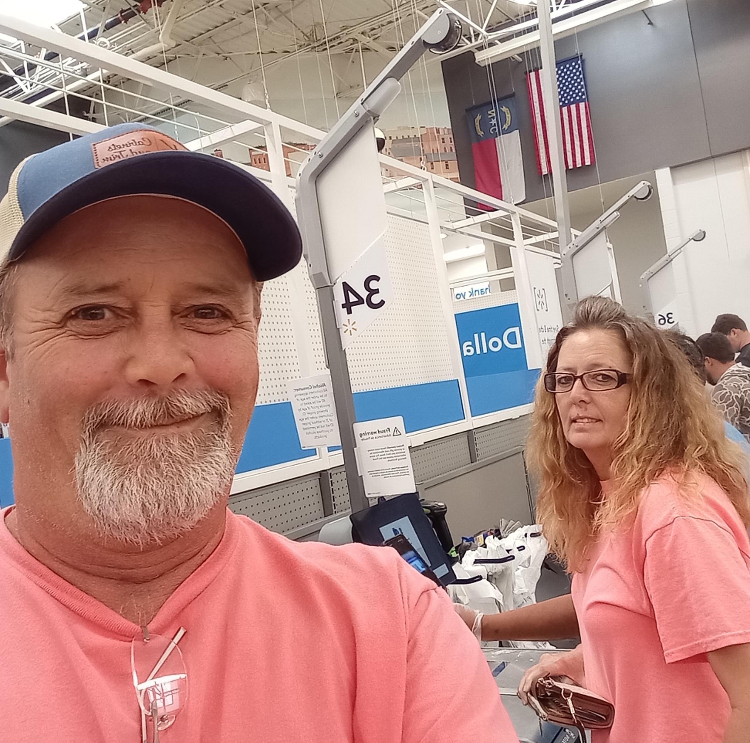
A man takes a selfie, smiling. His sister is behind him.
Stanley Sears and sister Debra Pierce at a Walmart. Sears died after a heart attack in North Carolina’s Martin County the year after the 2023 closure of Martin General Hospital. (Stanley Sears)

The local hospital had closed a year before Sears’ death, leaving behind a gutted healthcare system. Martin County does not have paramedics on its ambulances, and it can be 20 miles or more to the closest — and often overcrowded — emergency rooms.

The healthcare gaps in Martin County illustrate the finite reach of a $50 billion rural health fund that Republicans crafted to strengthen support for President Donald Trump’s signature tax and spending measure, the One Big Beautiful Bill Act, last year. Though the cash has not been doled out, Republican candidates in competitive midterm elections — including the closely watched battle for the congressional district that encompasses Martin County — are casting the fund as a lifeline that will shore up critical rural health services across America.

The money has been highly anticipated in North Carolina, where most residents live in rural counties. Pierce, a Republican who blames county officials for the hospital closure, said she has faith Trump will help them. “Old man’s doing his job up in there,” she said.

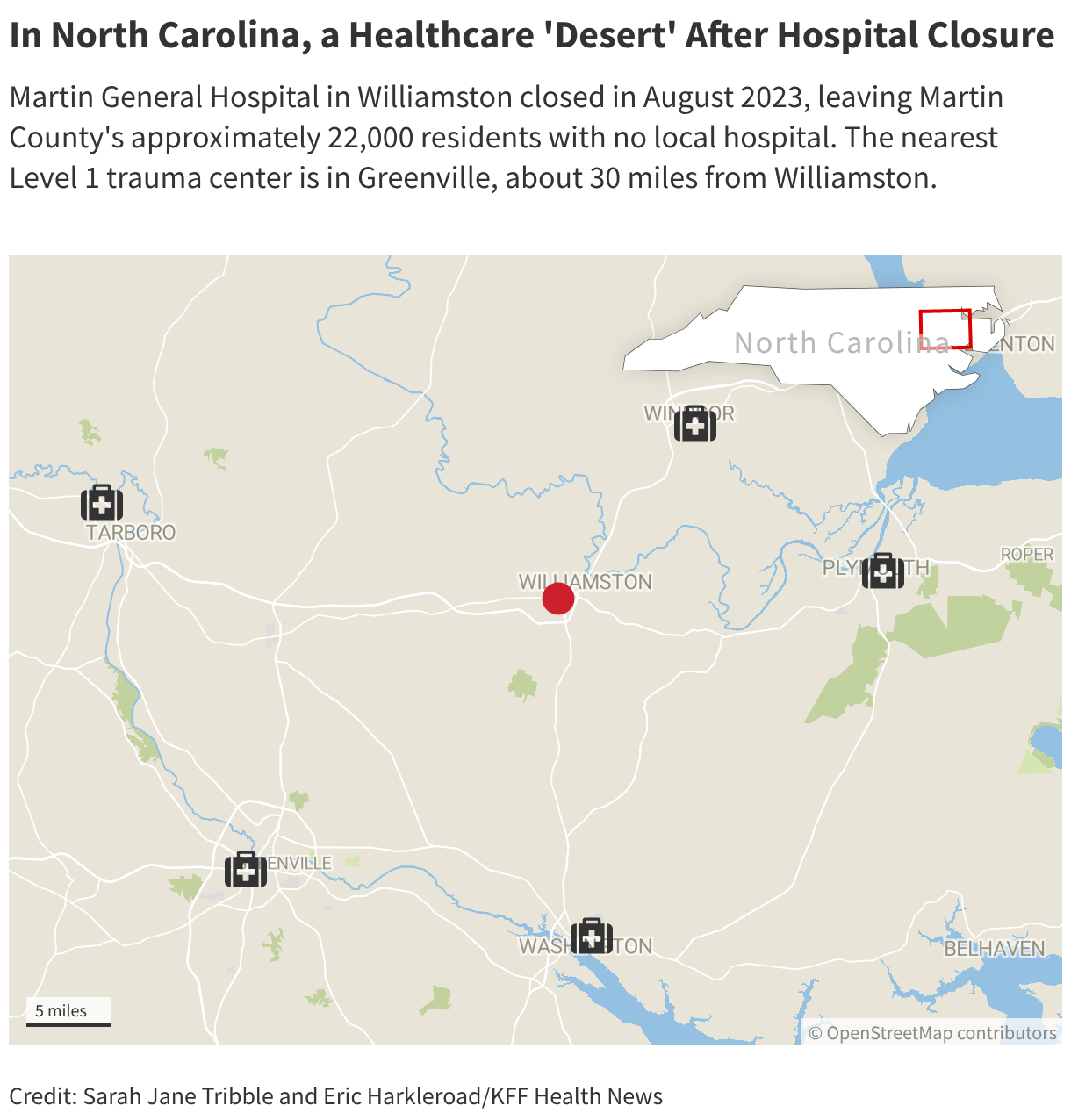
On paper, Martin County — home to about 22,000 people — looks like a top contender to receive at least some of the $213 million that’s been earmarked for North Carolina.

Yet County Manager Drew Batts said it won’t be the answer for his residents.

“The $50 billion is not something that is specifically going to help our situation,” Batts said as he walked into the shuttered hospital in April. “It’s not going to help us get this place reopened.”

Martin County won’t get direct relief from Trump’s rural health fund — because its hospital isn’t open. North Carolina is distributing the money among existing health and social service organizations. Plus, federal regulators set limits on how much can be spent on construction and building renovations.

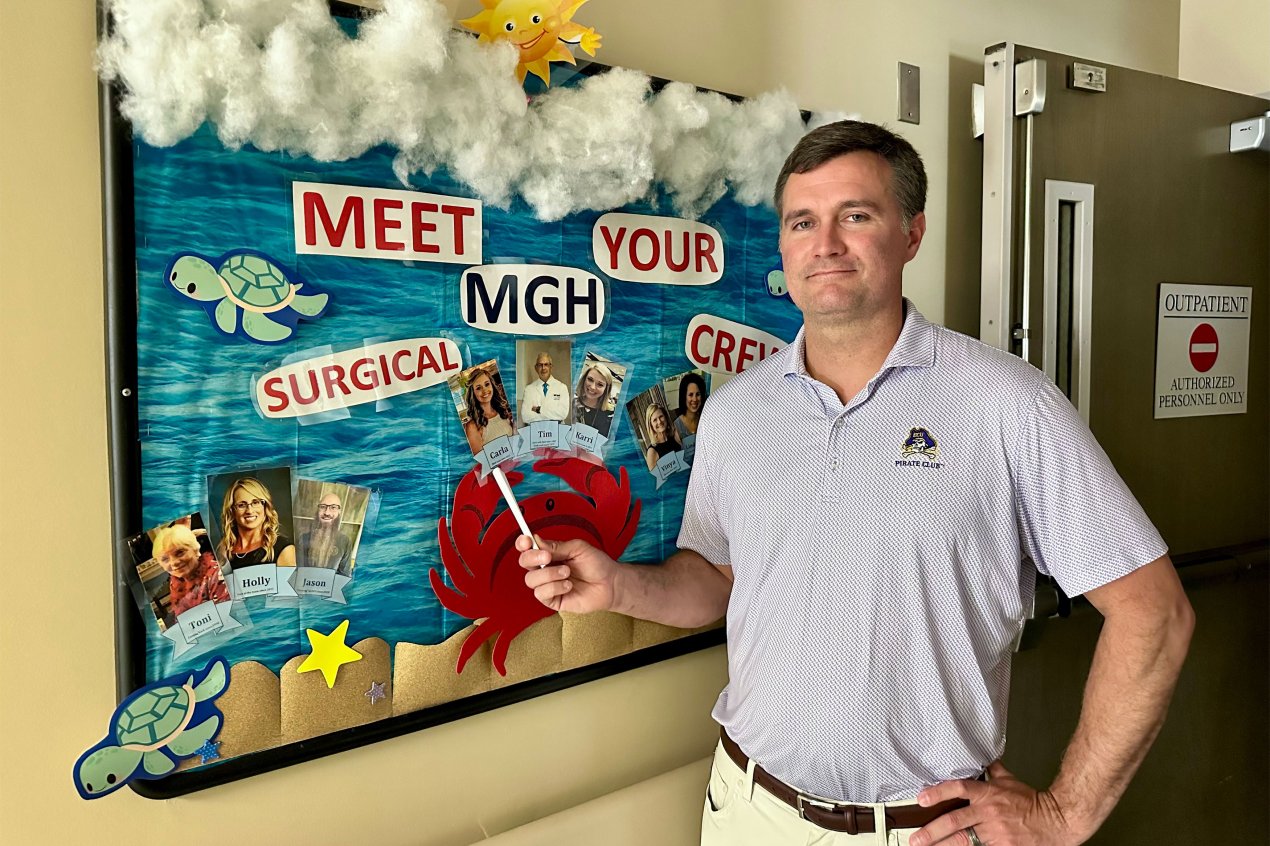
A man stands indoors. He stands next to a decorated bulletin board. It reads, "Meet your MGH surgical crew." Below it are sets of photos of hospital staff. The man points with a pen to a photo of a woman.
Martin County Manager Drew Batts stands inside the shuttered Martin General Hospital in Williamston, North Carolina, and points to a picture of his wife, who worked there as operating room nurse manager. (Sarah Jane Tribble/KFF Health News)

‘We Can Only Pray’

Martin General Hospital closed abruptly in 2023, surprising employees and shocking patients, who had to be wheeled out on stretchers and transported elsewhere to finish treatment. The closure even stunned local elected leaders, who say the company operating the county-owned hospital, Quorum Health, did not notify them it intended to shut down operations and file for bankruptcy. Quorum spokesperson Lisa Anderson said the company had told county commissioners of the hospital’s ongoing financial challenges.

Politicians have spent the years since trying to reopen the hospital, with county taxpayers pouring an estimated $2.9 million into maintenance, utilities, and other costs in the hopes of resuming operations, Batts said.

The county is now considering spending at least $1.5 million, he said, to create two higher-level paramedic units with quick-response vehicles, specially equipped with electrocardiogram equipment or other “advanced lifesaving support.”

Pierce said she is praying the county can add paramedics and reopen the hospital.

“There’s some answered prayers happening every day,” she said. “So, we can only pray and hope, you know?”

A woman holds up her phone, showing work being done on a mobile home.
Debra Pierce holds up a picture of Stanley Sears, her brother, while standing in the yard of the mobile home he was renovating before his death in 2024. Pierce believes North Carolina’s Martin County needs higher-level emergency services and a hospital. (Sarah Jane Tribble/KFF Health News)

‘They Just Want To Not Die’

With its nine hospitals, the region’s largest health system is ECU Health, connected to East Carolina University. The system has become a de facto safety net for 29 counties. Batts and Brian Floyd, the Greenville-based system’s chief operating officer, have lobbied state and federal lawmakers, walking them through the shuttered hospital and asking for help.

“It’s a real healthcare crisis that has already proven itself to have lost lives that perhaps didn’t have to be lost,” Floyd said. “They just want to not die because there’s nowhere to go when you have an emergency.”

Eleisa Ann Evans drove 2½ hours from a small town near the Outer Banks on a recent evening so her aunt could get care at an ECU Health ER in Greenville. Once there, Evans said, staff told her to leave her 79-year-old aunt in the waiting room and wait outside because of capacity issues.

Evans said she was outraged at the way the staff treated her. She said she had been standing behind her aunt’s wheelchair while inside and “wasn’t using nobody’s chair.”

With Martin General gone, all the surrounding counties are “also in jeopardy,” Floyd said. “No one knows what to do” with that large of a healthcare “desert,” he said.

In North Carolina, a Healthcare 'Desert' After Hospital Closure (Locator map)

What healthcare is left in the county includes one urgent care center, run by a private company, and a nonprofit health clinic, operated by Agape Health Services, which accepts patients from five counties and plans to build another primary care clinic to meet demand.

ECU Health signed a letter of intent last year to reopen Martin General as a rural emergency hospital that would provide outpatient care as well as an ER. Under the terms of the deal, Martin County would pay to refurbish the hospital, and the North Carolina General Assembly would have to give ECU Health $210 million, of which $150 million would pay for the construction of a new inpatient tower at ECU’s Beaufort Hospital.

The health system, through its affiliate Access East, won a portion of North Carolina’s $213 million first-year payout from the rural fund. But the federal money can’t be used to reopen Martin General, Floyd said.

The five-year Rural Health Transformation Program is slated to be delivered in $10 billion annual increments to states, which applied and competed for the money.

North Carolina’s plan creates a hub-and-spoke model that allots money to six large regional leads, including nonprofits such as Access East. Those hubs will distribute money to local entities and coordinate broad initiatives such as improving primary care and fortifying the healthcare workforce, as well as developing “digital solutions,” according to the state’s hub application.

An Election Issue

The lack of emergency care in the region has emerged as a top talking point in a close U.S. House race between Rep. Don Davis, a Democrat who represented the district when Martin General closed and is seeking his third term, and Republican Laurie Buckhout.

The rural health fund was added at the last minute in 2025 to win votes for the One Big Beautiful Bill Act, which is expected to reduce federal Medicaid spending by more than $900 billion over a decade — cuts that are projected to hit rural hospitals and clinics especially hard. Rural health executives say the fund won’t come close to offsetting those losses.

Matt Mercer, a spokesperson for the North Carolina Republican Party, called the rural fund a “once in-a-generation opportunity” for the state.

But U.S. Sen. Thom Tillis, who was one of three Republican senators to vote against the bill — and who announced shortly before the final vote that he planned to retire from Congress — warned of devastating consequences ahead for healthcare in his state.

Buckhout, who declined an interview, plans to attack Davis — a vulnerable incumbent whose district was recently redrawn to favor GOP candidates — for voting against the bill.

“Martin County lost its hospital on his watch, and he still opposed the funding meant to help communities like it,” Buckhout campaign spokesperson Stephen Gallagher said in a statement to KFF Health News. The campaign did not respond to additional queries about her plans for healthcare access, if elected.

A shot of empty chairs lining two walls indoors.
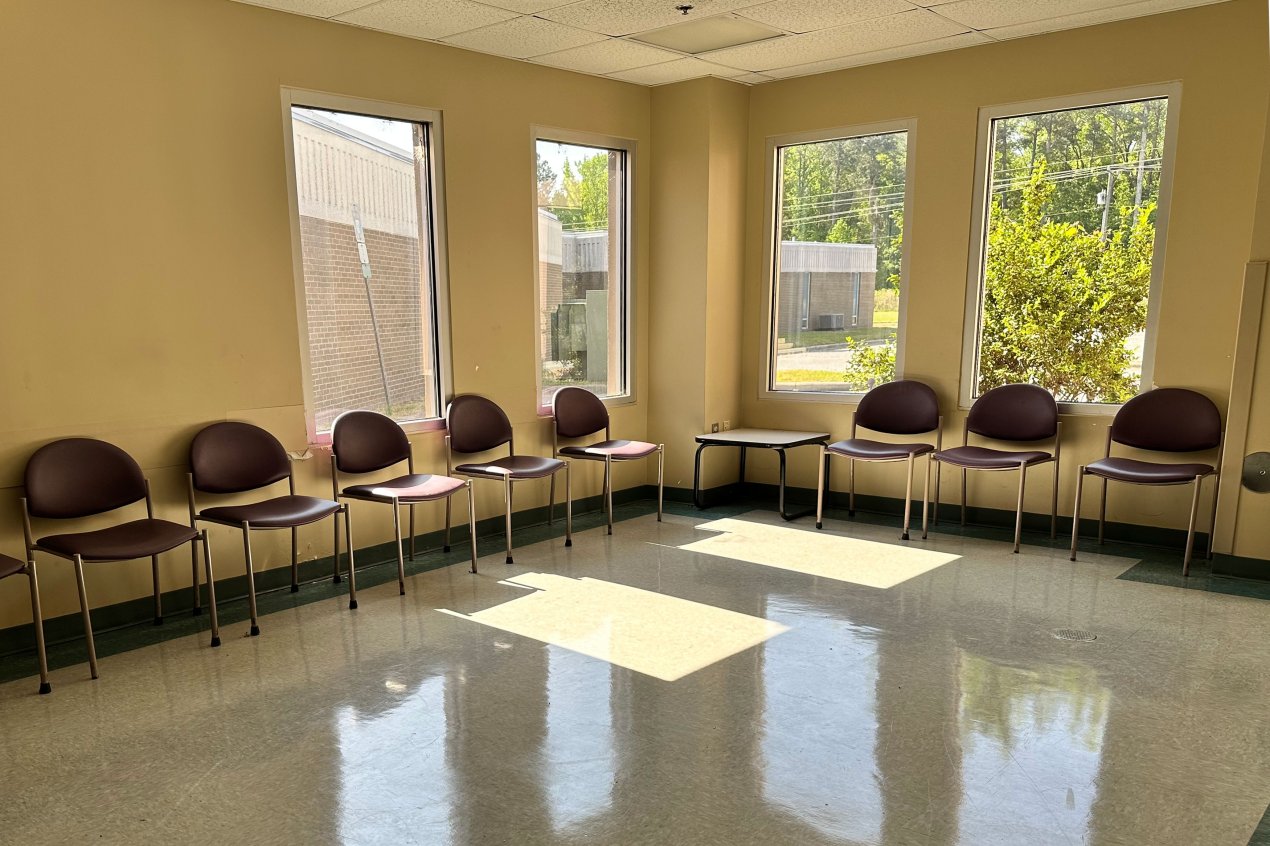
An empty waiting room inside the shuttered Martin General Hospital. The hospital’s closure in 2023 surprised employees and patients, who had to be wheeled out on stretchers and transported elsewhere to finish treatment. (Sarah Jane Tribble/KFF Health News)

Davis, who signed a letter from lawmakers in support of North Carolina’s rural health fund application, said the money “is essentially putting a band-aid on a much, much broader situation that needs dire help.” He has introduced legislation that would increase Medicaid reimbursements for rural hospitals, though it has not moved forward.

During recent testimony on Capitol Hill in Washington, ECU Health CEO Michael Waldrum said his system expects to lose a billion dollars over the next 10 years from the looming Medicaid cuts.

Overnight Waits for Emergency Care

The region’s emergency rooms offer a stark glimpse of a healthcare system in crisis.

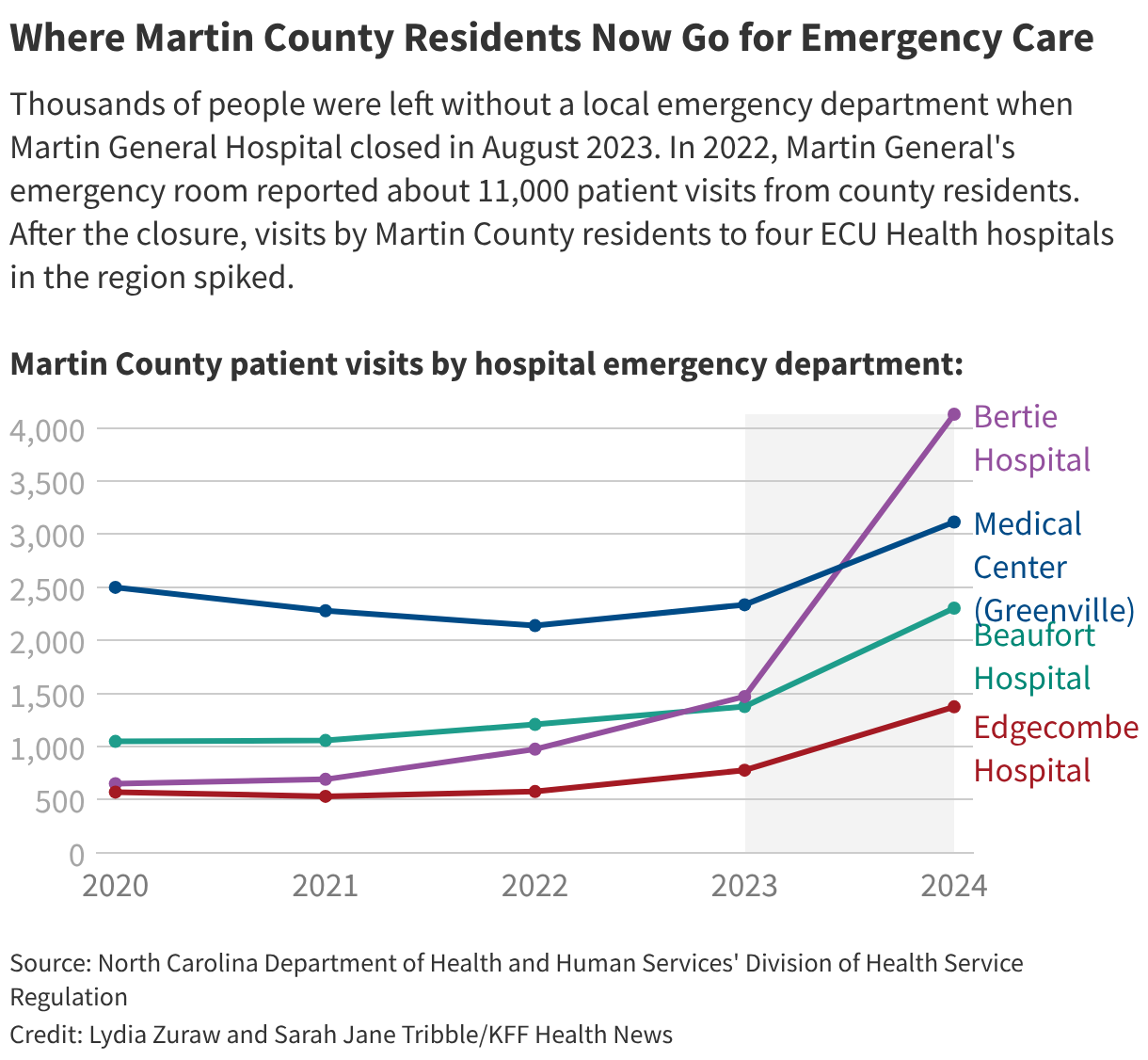
Martin General’s ER treated about 11,000 patients annually before it closed, according to state data. A sign still hangs in the staff break room showing that 23 patients were seen in the ER the day it closed.

ECU Health, which owns all but one of the rural hospitals around Martin General, reported a 132% increase in its daily ER visits since the hospital’s closure. The company’s nearly 1,000-bed hospital in Greenville, about 40 minutes from Williamston, is the state’s only Level 1 trauma center east of Raleigh.

Where Martin County Residents Now Go for Emergency Care (Line chart)

The Greenville hospital’s median patient ER wait and treatment time was nearly 4½ hours, according to the most recent federal data. That’s longer than 96% of thousands of hospitals reporting nationwide. The wait times “don’t reflect poor care,” ECU Health spokesperson Brian Wudkwych said in an emailed statement. He said the system’s ERs treat nearly 300,000 patients annually.

While the system has seen an increase in Martin County patients, the wait times primarily stem from shortages of inpatient and behavioral health beds, Wudkwych said.

Floyd, the ECU Health chief operating officer, said many rural patients who arrive at the system’s ERs have multiple chronic conditions that require longer visits. Often doctors start treating one problem and then find the patient’s “blood sugar is out of control, your hypertension is far out of control,” he said.

ECU staff encourage people who are not too sick to skip Greenville and, instead, seek care at one of the system’s community hospitals, which aren’t as busy, Floyd said.

A security officer guarded the Greenville emergency department’s doors on two nights in April. The “capacity notice” sign near the entrance meant family members of patients had to wait in cars or on benches outside.

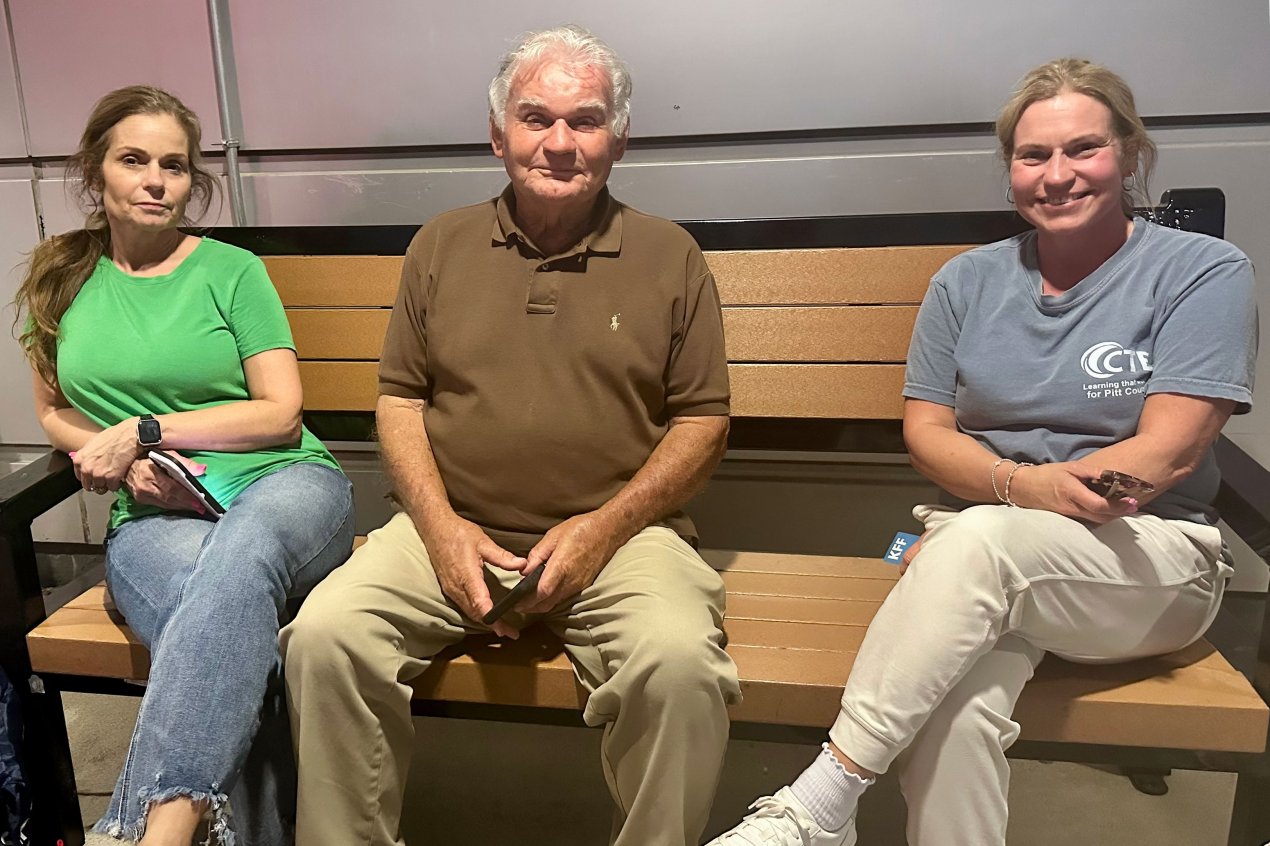
“We’ve only been here six hours,” Tonya Miles said after bringing her mother for a potential blood clot in her leg. The family had left the day before after waiting for two hours, because her mom “wasn’t prepared” for such a delay in treatment, Miles said.

Two women sit on a bench outside. A man sits between them.
Tonya Miles (right) sits with family outside ECU Health Medical Center in Greenville, North Carolina. Miles said they had “only been here six hours” after bringing her mother to the emergency room for a potential blood clot in her leg. (Sarah Jane Tribble/KFF Health News)

On another evening, Olivia Lewis said she had brought her mother two nights previously and left without care after their wait stretched from 10:30 p.m. to 7 a.m.

“She tore off her hospital bracelet and said: ‘I’m out. I’m done,’” she said. Now, they were back.

On a recent Friday in Martin County, Vannessa Little was sitting at a McDonald’s with her kids just down the street from the closed hospital. Little pointed to one of her girls and wondered how her care would have been different if the hospital had been open.

Her daughter, then 6, suffered severe burns over 30% of her body in 2024, and the journey to treatment was “just crazy,” Little said. An ambulance arrived at her Williamston home from neighboring Bertie County to transport them to ECU’s Greenville ER.

“That was a long time,” Little said of the 30-mile drive. The girl was ultimately airlifted more than 100 miles to Chapel Hill. Little said she hadn’t heard of Trump’s rural health investment. “The only changes that people are making is they’re taking away everything.”

She voted against Trump in 2024 and said she didn’t think she would vote this year.

“It’s a waste of my time.”

KFF Health News is a national newsroom that produces in-depth journalism about health issues and is one of the core operating programs at KFF—an independent source of health policy research, polling, and journalism. Learn more about KFF.

This <a target="_blank" href="https://kffhealthnews.org/rural-health/rural-health-fund-hospital-closures-north-carolina-martin-general/">article</a&gt; first appeared on <a target="_blank" href="https://kffhealthnews.org">KFF Health News</a> and is republished here under a <a target="_blank" href="https://creativecommons.org/licenses/by-nc-nd/4.0/">Creative Commons Attribution-NonCommercial-NoDerivatives 4.0 International License</a>.<img src="https://kffhealthnews.org/wp-content/uploads/sites/8/2023/04/kffhealthnews-icon.png?w=150&quot; style="width:1em;height:1em;margin-left:10px;">

<img id="republication-tracker-tool-source" src="https://kffhealthnews.org/?republication-pixel=true&post=2236968&amp;ga4=G-J74WWTKFM0&quot; style="width:1px;height:1px;">

from Health Industry Archives - KFF Health News
Related Posts:

Watch: The Tug-of-War Over Taxpayer Dollars

Julie Rovner, KFF Health News’ chief Washington correspondent and host of the What the Health? podcast, recently spoke with Sen. Tammy Baldwin (D-Wis.) about the ongoing fight between President Donald Trump and Congress over control of federal spending.

Baldwin, who is a member of the Senate Appropriations Committee and the Senate Health, Education, Labor and Pensions Committee, said lawmakers have been forced to take unprecedented action to ensure the Trump administration properly spends taxpayer dollars.

“In this most recently passed bill that Donald Trump signed into law, we had to put guardrails that we’ve never had to put into our appropriations laws before to enforce our spending bills,” Baldwin said. “And those laws have made it clear that we expect that they must spend what we have appropriated, and not just all of it at the end of the fiscal year, but in a timely manner throughout the year.”

The conversation also addressed the success — and Trump-imposed limitations — of the 988 Suicide & Crisis Lifeline. The resource, which was created through a bipartisan effort, has led to a notable reduction in youth suicide, according to research published last month in the Journal of the American Medical Association.

“It’s heartwarming to know that this work matters,” Baldwin said.

This interview aired May 14 on Episode No. 446 of What the Health? From KFF Health News: “In Search of a New FDA Commissioner.”

KFF Health News is a national newsroom that produces in-depth journalism about health issues and is one of the core operating programs at KFF—an independent source of health policy research, polling, and journalism. Learn more about KFF.

This <a target="_blank" href="https://kffhealthnews.org/news/podcast-interview-senator-tammy-baldwin-taxpayer-dollars-988/">article</a&gt; first appeared on <a target="_blank" href="https://kffhealthnews.org">KFF Health News</a> and is republished here under a <a target="_blank" href="https://creativecommons.org/licenses/by-nc-nd/4.0/">Creative Commons Attribution-NonCommercial-NoDerivatives 4.0 International License</a>.<img src="https://kffhealthnews.org/wp-content/uploads/sites/8/2023/04/kffhealthnews-icon.png?w=150&quot; style="width:1em;height:1em;margin-left:10px;">

<img id="republication-tracker-tool-source" src="https://kffhealthnews.org/?republication-pixel=true&post=2238757&amp;ga4=G-J74WWTKFM0&quot; style="width:1px;height:1px;">

from Health Industry Archives - KFF Health News
Related Posts:

Eroding ACA Enrollment Portends Higher Insurance Rates

Enrollment in the Affordable Care Act continues to erode as some customers struggle to make premium payments, with the declining numbers churning market uncertainty for insurers. In response, insurers are likely to raise rates again next year, following this year’s larger-than-typical hikes.

Sign-ups were already down in January by about 1.2 million from last year’s record enrollment. For this year, enrollees then faced premiums that increased, on average, by 26%. On top of that, subsidies that help people purchase coverage shrank or vanished.

Now experts are watching how many of the approximately 23 million people who enrolled will fail to pay their share of premiums.

While available data on premium payments is mainly from January, a few states that run their own ACA markets have released information for later months. The sharpest drop in people paying premiums, based on limited data, is in Georgia, which saw a 28% drop in April compared with the same period a year ago, according to an analysis by Charles Gaba, a healthcare policy analyst and blogger who specializes in the ACA.

The news website NOTUS reported May 12 that it had internal Centers for Medicare & Medicaid Services data showing that roughly 21% of people using the federal ACA marketplace — 30 states — failed to pay their share of January premiums, which, if correct, is far higher than at the same time last year.

CMS did not answer questions from KFF Health News about the enrollment data.

In looking at the early numbers analysts released, “we can’t yet quantify how much worse it will be than in previous years, but it will absolutely be worse because of the sticker shock,” said Ellen Montz, a managing director with consulting firm Manatt Health, who helped oversee the ACA during her tenure with the Biden administration.

The initial results come amid rising public concern about affordability, with polls showing that healthcare costs are often top of mind for voters.

A KFF analysis released May 19, for instance, found that the average ACA plan deductible saw the steepest increase in history — growing by 37%, or over $1,000, from $2,759 in 2025 to $3,786 in 2026 as enhanced premium tax credits expired.

Those rising costs pose a political challenge for President Donald Trump and the broader GOP, which has opposed enhanced subsidies to help people purchase Obamacare coverage. Republican lawmakers also passed a spending package last year — enacted as the One Big Beautiful Bill Act — that included provisions expected to reduce ACA enrollment and was cited among factors fueling higher premiums this year.

The enrollment reductions “are real people with real consequences,” Montz said. “The Affordable Care Act is a political lightning rod, but it’s a critical component of the coverage landscape.”

Following the Numbers

Right now, the drop-off rate aligns with what some policy experts predicted, partly because Congress did not extend generous benefits that expired at the end of last year. Those enhanced subsidies had been in place since 2021.

“Overall, the individual market does appear to be trending toward a significant contraction in 2026, and may well resemble” drops projected by the Congressional Budget Office, said a report from the Wakely Consulting Group, an analysis arm of the HMA Co.

Based on its analysis, drawn from data provided by 75 insurers, Wakely estimates that average ACA enrollment will end up being 17% to 26% lower this year than last.

So far, the Wakely report says, an average 86% of enrollees made their first payment in January.

Failure to pay premiums varied by state. Those with the lowest drop-off rates had enacted additional help — such as backfilling part or all of the reduced subsidy amounts with state money — or experienced lower premium increases. States that run their own exchanges had higher payment rates (92%) than those served by the federal marketplace (82% to 84%).

Gaba’s initial analysis of data includes more recent numbers from nine of the 20 states that run their own Obamacare marketplaces.

“Georgia could be fairly representative” of other states that did not enact additional protections, Gaba said. For example, payment failure rates, year over year, were 11.6% as of April in New Jersey, and, as of February, 15.7% in Washington state and 8.5% in California.

Only one state in his sample — New Mexico — saw an increase in the percentage of people making premium payments, according to the latest available monthly data. Unlike most, it had set aside state money to fully make up for the lower federal subsidy amounts.

Enrollment figures for the ACA are never static. Traditionally, more people sign up — either through auto reenrollment or by taking initiative to shop — than actually pay premiums, so the numbers tend to be higher at the start of the year.

People drop out over the course of a year for many reasons, such as finding other coverage through a job or by marrying someone with insurance.

Cost, of course, is a factor. This year, because premiums went up and subsidies went down, many people faced costs at least double what they previously paid toward their coverage.

And the Trump administration ended a special enrollment program that let low-income people enroll year-round.

Some ACA critics say enrollment drops should not be seen solely in the context of rising costs. Paragon Health Institute, a free-market think tank that has become influential among conservatives on Capitol Hill, has long argued that record enrollment numbers in recent years were fueled by fraudulent sign-ups, perhaps in the millions.

Insurers, hospitals, and policy experts took issue with the methodology Paragon used to estimate improper enrollments, saying they likely were vastly overestimated.

In a recent Paragon newsletter, the organization’s president, Brian Blase, doubled down on the fraud findings. Using data that detailed how many people failed to make premium payments each year, on average, from 2014 to 2019 — the year before covid emerged and two years before enhanced subsidies kicked in — he offered this prediction for 2026: About 19 million people would be enrolled by year’s end. Even at that, the note says, the “market would be 90% higher than the pre-COVID average.”

For other experts, however, the biggest explanation for falling enrollment is cost.

Some people had never experienced the ACA before the enhanced tax credits kicked in, so they faced extra sticker shock.

“In economic theory, no matter whether one is left, right, or center, it’s a simple fact that when you raise prices of something, fewer people will buy it,” said Sabrina Corlette, co-director of the Center on Health Insurance Reforms at Georgetown University.

The Long View

The expectation of a lower enrollment trend holding up is one of the key factors likely to translate into higher cost estimates as insurers draw up 2027 rates.

For one thing, though it is still unclear how many people will stay enrolled, it is also unknown whether those enrollees will submit more medical claims than insurers projected. It’s generally thought that younger or healthier people are more likely to drop coverage when faced with growing premiums.

Secondly, there has been a sharp shift by consumers to purchase bronze-level plans, which have smaller monthly premiums but higher deductibles — the amount people must pay out-of-pocket for most treatment, except preventive care, before insurers pitch in. The KFF analysis found that sign-ups for bronze plans jumped from 30% to 40% of total plan selections — growing from 7.3 million in 2025 to 9.2 million people this year. Will they pay? Or will hospitals and doctors be on the hook for uncollected copays or deductibles, and then raise prices to compensate?

Insurers base their premiums, in part, on such analyses.

Another troubling factor for actuaries is the late posting of a key regulation that sets the next year’s rules for ACA health plans. The initial 2027 proposal from the Trump administration came out in mid-February and included aggressive new ideas — such as sharply increasing deductibles for certain types of ACA plans or allowing insurers to offer plans with no set networks of medical providers. It was not finalized until May 15, well into the time when insurers are calculating premiums for the following year. Many of the proposed changes, with some modifications, were approved, such as allowing for higher annual deductibles in some types of coverage.

“This is definitely a challenging year to be an actuary,” said Louise Norris, a health policy analyst for healthinsurance.org, a consumer information and referral website affiliated with Trove Group, an insurance agency.

“We know for sure that the individual market has gotten smaller and almost certainly sicker, as the people dropping coverage are more likely to be healthy.”

While they “aren’t waving huge red flags” yet, insurers are closely watching trends, said Michelle Anderson, a director at Wakely and co-author of the recent report.

Anderson does not expect an average 26% premium increase like the one seen this year.

Still, Anderson expects the ongoing uncertainty and predicted decline in enrollment, which will vary by state and insurer, to play a role in setting next year’s premium rates.

“It would not surprise me if there were some double-digit increases,” Anderson said.

KFF Health News reporter Rachel Spears contributed to this article.

KFF Health News is a national newsroom that produces in-depth journalism about health issues and is one of the core operating programs at KFF—an independent source of health policy research, polling, and journalism. Learn more about KFF.

This <a target="_blank" href="https://kffhealthnews.org/insurance/eroding-aca-enrollment-higher-insurance-rates/">article</a&gt; first appeared on <a target="_blank" href="https://kffhealthnews.org">KFF Health News</a> and is republished here under a <a target="_blank" href="https://creativecommons.org/licenses/by-nc-nd/4.0/">Creative Commons Attribution-NonCommercial-NoDerivatives 4.0 International License</a>.<img src="https://kffhealthnews.org/wp-content/uploads/sites/8/2023/04/kffhealthnews-icon.png?w=150&quot; style="width:1em;height:1em;margin-left:10px;">

<img id="republication-tracker-tool-source" src="https://kffhealthnews.org/?republication-pixel=true&post=2238223&amp;ga4=G-J74WWTKFM0&quot; style="width:1px;height:1px;">

from Health Industry Archives - KFF Health News
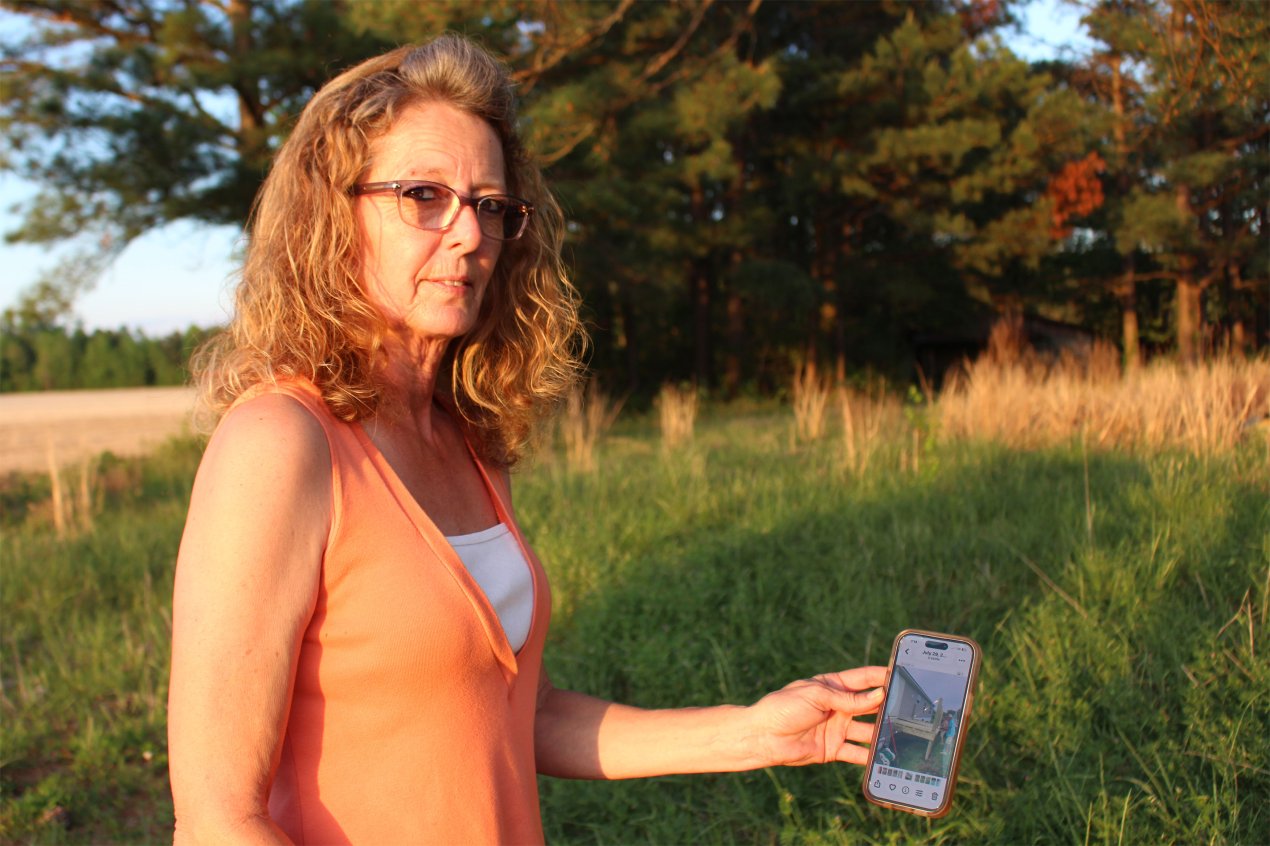
Related Posts: